Caring for an ageing parent or relative at home is one of the most rewarding things you can do. It’s also one of the most exhausting.
You’re managing medication, coordinating medical appointments, helping with personal care, preparing meals, handling household tasks, and often working or managing your own family at the same time. You’re on call 24/7. The physical exhaustion is real. The emotional weight is even heavier.
Most family carers soldier on until something breaks. They get sick. They lose patience with their loved one. They have a breakdown. Sometimes they end up in hospital themselves, which solves nothing and makes everything worse.
There’s another way. Respite care is when your loved one stays temporarily in a care home while you get a genuine break. A week or two away. A few weeks of proper sleep. Time to recover, recharge and reconnect with yourself.
This isn’t abandoning your loved one. It’s not failure or weakness. It’s survival. And for many families, respite care is the difference between managing and crashing.
This guide explores what respite care actually is, why it matters far more than most families realise, and how it can genuinely transform both your life and your loved one’s.
What Is Respite Care and Why It Matters
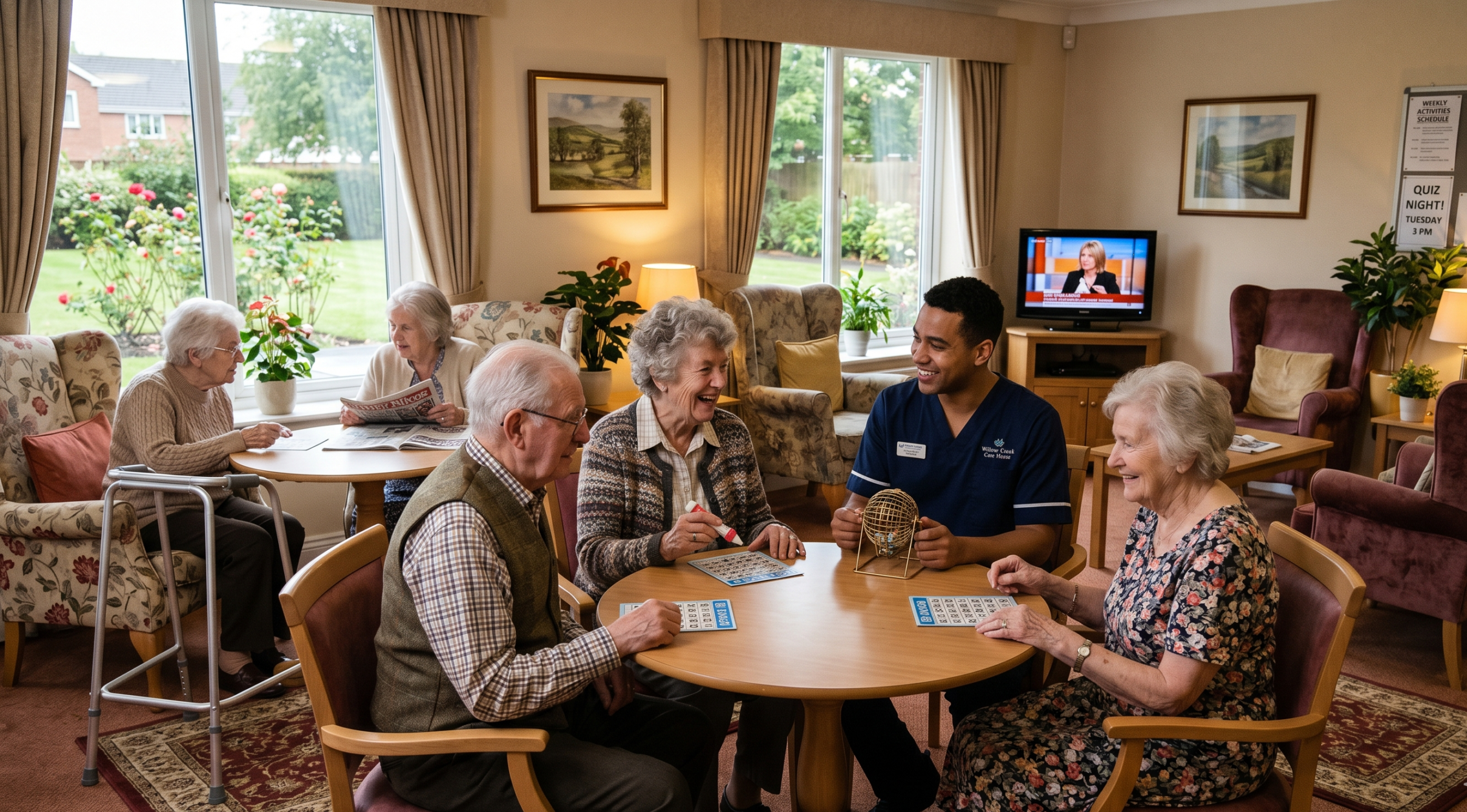
Respite care is temporary residential care for your loved one, typically lasting from a few days to several weeks. During this time, your loved one stays in a care home receiving full support, meals, activities and company, while you step back from daily caregiving duties.
The goal is simple: to give family carers a genuine break.
Many family carers don’t believe they deserve this. They feel guilty taking time away. They worry their loved one won’t adjust. They think accepting help means they’re failing at their caregiving role.
This guilt is one of the reasons respite care matters so much. You do deserve a break. Needing one isn’t a weakness. It’s human. Every caregiver needs recovery time or they deteriorate.
Moreover, respite care isn’t selfish. It often benefits your loved one too. Being in a care setting with activities, social connection and professional support is genuinely good for them. A short respite stay often improves mood, appetite and engagement.
And crucially, getting proper rest makes you a better carer when you return home. You’re calmer, more patient, more present. Your relationship with your loved one improves.
The Hidden Crisis of Caregiver Burnout
Before discussing respite care’s benefits, it’s important to understand the real problem it solves: caregiver burnout.
Caregiver burnout is physical, emotional and mental exhaustion from ongoing caregiving duties. It’s not laziness or weakness. It’s a genuine health crisis affecting hundreds of thousands of family carers in the UK.
Signs of burnout include:
- Persistent exhaustion despite adequate sleep
- Irritability or short temper, especially with your loved one
- Feeling trapped or resentful about caregiving duties
- Neglecting your own health and wellbeing
- Social isolation and loss of relationships outside caregiving
- Physical symptoms like headaches, stomach problems or high blood pressure
- Difficulty concentrating or making decisions
- Feelings of hopelessness or depression
- Using alcohol or food to cope with stress
- Thoughts of harm toward yourself or your loved one
If several of these resonate, you’re experiencing burnout. And burnout is serious. It leads to depression, health crises and often forces sudden, emergency placement in care homes under terrible circumstances.
Respite care addresses burnout by removing its root cause: relentless, unbroken caregiving without adequate recovery time.
How Respite Care Gives Family Carers Relief
The relief respite care provides work on several levels.
Physical relief:
For the first time in months or years, you don’t need to help with personal care. You don’t need to manage medications or medical appointments. You get uninterrupted sleep. You can recover physically.
Mental relief:
The constant worry stops. You know your loved one is safe, supported and cared for by trained professionals. You can step back from the problem-solving and decision-making that consumes so much mental energy.
Emotional relief:
Guilt quiets down. You give yourself permission to rest rather than constantly feeling you should be doing more. You step back from the emotional intensity of caregiving.
Social relief:
You can reconnect with family, friends and your own interests. You can spend time with your partner without caregiving logistics dominating the conversation. You can do things just for you.
Practical relief:
During respite care, you can handle household tasks, appointments, admin work or projects that caregiving duties have prevented you from addressing.
The combined effect is restoration. Most family carers return from respite care feeling genuinely better. The break isn’t luxury. It’s essential maintenance.
Benefits for Your Loved One
While respite care primarily benefits family carers, it often improves your loved one’s wellbeing too.
Social connection:
Many people cared for at home see limited social contact. Respite care immerses them in the community. They interact with staff and other residents daily. Many residents enjoy this social engagement.
Structured activity:
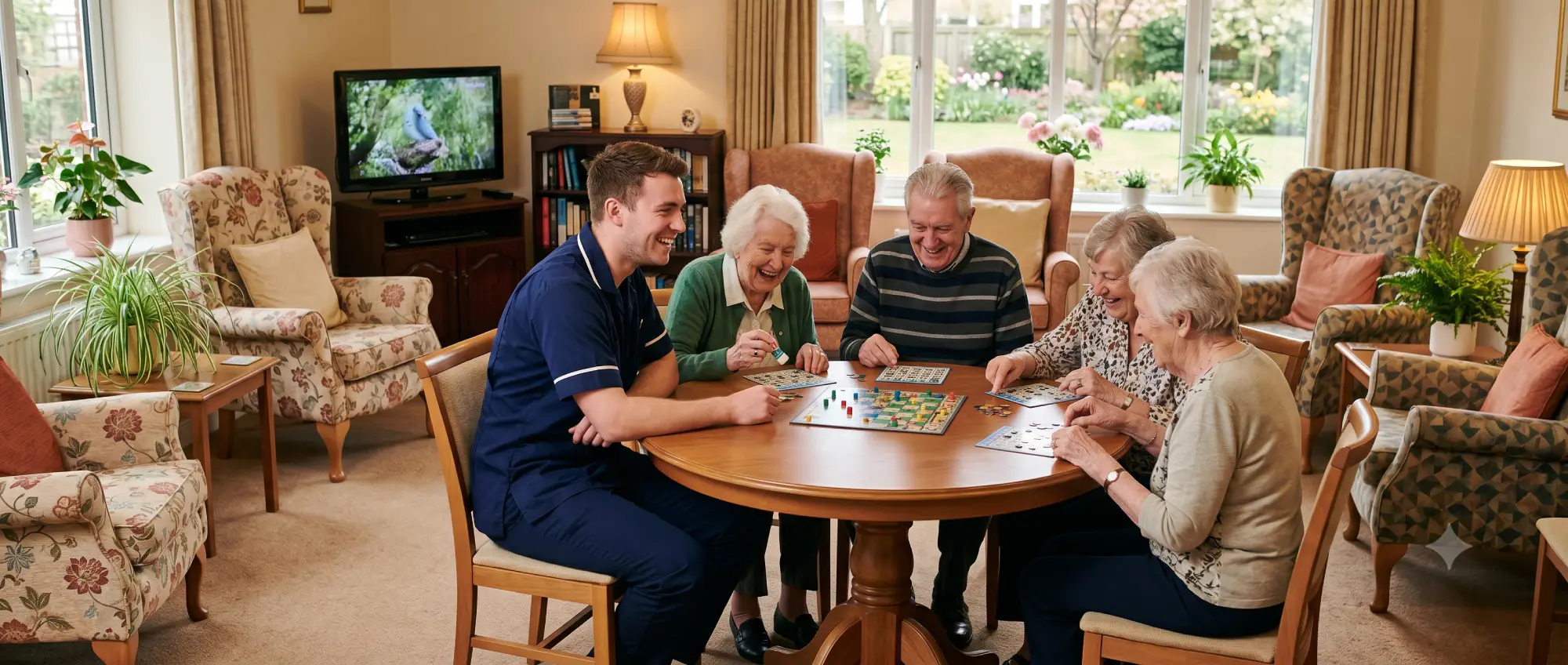
Care homes have structured routines and activities. Quizzes, reminiscence sessions, music, crafts, outings. These provide mental stimulation and engagement that home caregiving, however devoted, sometimes lacks.
Professional support:
Trained care staff can respond immediately to health issues or needs. They have experience managing complex situations. Some people feel genuinely safer in a care setting.
Relief from caregiver stress:
If a family carer is exhausted and stressed, that tension transfers to your loved one. A caregiver who’s rested and calm is simply better to be around.
Trial for permanent placement:
For some families, respite care serves as a trial. It lets your loved one experience residential care without permanent commitment. If permanent placement eventually becomes necessary, they’ve already experienced similar environments.
Many residents and families find respite care works so well that they continue using it regularly, or eventually transition to permanent placement when home care becomes untenable.
The Right Time to Consider Respite Care
Some families use respite care from the beginning. Others wait until crisis point. Ideally, families explore respite care earlier, before burnout becomes severe.
Signs it’s time to consider respite care:
- You’re exhausted despite trying everything to manage
- You’re struggling with patience or temper
- Your own health is suffering
- You have no time for your own wellbeing
- Your relationship with your loved one is strained
- You can’t take holidays or proper time off
- You’re considering permanent placement out of desperation rather than genuine planning
- Family or friends have expressed concern about your wellbeing
- You’re having thoughts of harming yourself or your loved one
If any of these apply, respite care deserves serious consideration. It’s not admitting defeat. It’s taking responsibility for your own wellbeing so you can continue supporting your loved one.
Planning Respite Care: What to Expect
Using respite care for the first time can feel daunting. Here’s what typically happens.
Discuss it early:
Talk with your loved one about respite care well before booking anything. Explain what it is and why you need it. Many people resist initially but adjust when they understand it’s temporary and you need recovery time.
Choose the right home:
Visit potential respite care homes. Make sure they’re registered with the CQC, understand your loved one’s needs, and feel like the right environment. At JT Care Homes, all three homes offer respite placements in welcoming, person-centred environments.
Plan the stay:
Work with the care home to arrange timing. Many families use respite care around specific needs, like a holiday, medical procedure, or planned rest. Typical respite stays range from a few days to four weeks.
Prepare your loved one:
Visit the home together before the stay. Meet the staff. Understand the routine. Reduce anxiety through familiarity.
Communicate your loved one’s needs:
Share detailed information about preferences, routines, medical requirements and any triggers or sensitivities. Good care homes capture this in person-centred care plans.
Let go:
This is hard. But respite care only works if you genuinely disconnect. Don’t call constantly or second-guess the care home’s decisions. Trust the professionals.
Use the time:
Sleep. See friends. Handle neglected tasks. Rest. Do nothing. Whatever you need.
Transition back:
When your loved one returns home, don’t immediately resume full caregiving intensity. Ease back in. Maintain the respite benefits by planning regular breaks rather than waiting until you’re desperate again.
Respite Care as Ongoing Support
Many families treat respite care as emergency intervention when actually it works best as ongoing support.
Regular respite care, even weekly or fortnightly short stays, prevents burnout rather than treating it after the fact. It becomes part of normal life rather than crisis management.
Families who arrange regular respite care report:
- Better mental and physical health for the carer
- Better relationships with their loved one (time apart makes reunion sweeter)
- Earlier, more peaceful acceptance of permanent residential care if that eventually becomes necessary
- Less guilt and resentment
The cost of regular respite care is far lower than the cost of caregiver hospitalisation, family breakdown or emergency placement.
At JT Care Homes
At JT Care Homes, respite care is more than just providing accommodation while you’re away. It’s providing genuine, person-centred care that your loved one actually benefits from.
All three homes, The Brooklands, Fairmont and Oxford House, support respite placements. Each home accommodates a maximum of 24 residents, creating a close-knit environment where your loved one is genuinely known and cared for, not just processed through a system.
Staff consistency ensures continuity of care. Rather than a parade of unfamiliar faces, your loved one gets to know the team. Activities are tailored to individual interests and abilities. Meals and routines are adapted to preferences. Person-centred care means your loved one’s dignity, independence and comfort are maintained.
Families can visit during respite stays if they wish, though many appreciate the complete break. Communication about how your loved one is doing keeps you informed without demanding your constant involvement.
Most importantly, you can genuinely rest knowing your loved one is safe, cared for and valued in a welcoming home environment.
Many families who initially used JT Care Homes for respite care later explored permanent placement after experiencing how well it worked. Others continue regular respite stays as ongoing support, which works perfectly.
Frequently Asked Questions
Will my loved one feel abandoned if I use respite care?
This is a common fear. Most people don’t experience respite care as abandonment, especially if you explain it clearly beforehand. They see it as you taking care of yourself so you can continue caring for them, which is actually true.
What if my loved one refuses to go to respite care?
Talk with them about why they’re resistant. Address specific concerns. Sometimes a trial stay, visiting the home first, or starting with shorter stays helps. Most people adjust once they experience that it’s temporary and the care is good.
How often should we use respite care?
This varies by need. Some families use it monthly. Others weekly. Some quarterly. Start with what feels manageable and adjust based on how much recovery you need. Regular respite (monthly or more) prevents burnout better than occasional emergency stays.
Can respite care be arranged quickly if we need it?
Good care homes try to accommodate urgent requests, though availability varies. It’s better to arrange respite care in advance when possible. However, if emergency respite is needed, discuss urgently with the home.
Is respite care very expensive?
Weekly rates vary but are typically less than permanent care. Some families access council-funded respite if eligible. Even self-funded respite is often cheaper than the cost of caregiver health crises or emergency permanent placement.
What if my loved one has complex needs?
Good care homes, including JT Care Homes, support people with dementia, physical disabilities and complex health needs during respite stays. Discuss your loved one’s specific requirements when arranging respite care.
Can we extend respite care into permanent placement if needed?
Often yes. Many families use respite care as a trial that leads to permanent placement when home care becomes untenable. The transition is typically smoother because everyone is familiar with the home.
Respite Care as Self-Care
Family caregiving is one of the most important things you can do. But it’s not more important than your own wellbeing. Respite care isn’t selfish. It’s self-care. It’s recognising that you can’t pour from an empty cup.
The strongest, most patient, most loving carers are those who take care of themselves. Respite care enables that. It gives you permission to rest. It provides practical support when you desperately need it. It helps you recover so you can continue being present for your loved one.
If you’re currently providing care at home and haven’t explored respite care, consider it seriously. You deserve a break. Your loved one deserves a carer who isn’t burnt out.
If you’d like to discuss respite care options in Preston, or arrange a trial respite stay at JT Care Homes, contact us today. Our friendly team will discuss your needs, answer questions and help you arrange respite care that works for your family. You’ve been caring for others for long enough. It’s time to take care of yourself.