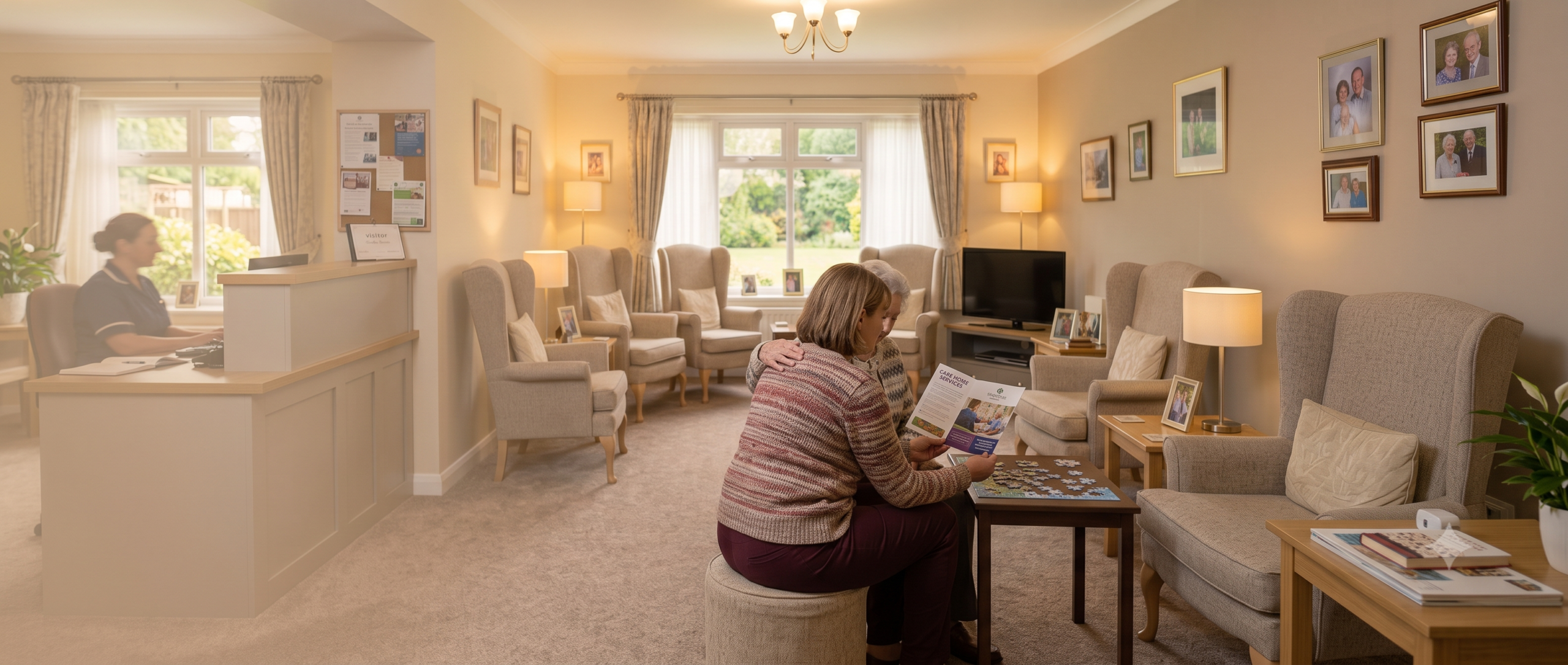
Start With CQC Ratings, Not Just Reviews
Every care home in England is inspected and rated by the Care Quality Commission (CQC). Ratings range from ‘Inadequate’ to ‘Outstanding,’ and the report behind the rating matters as much as the headline score. Read the most recent inspection report in full, paying attention to sections on safety, staffing levels, and how complaints are handled. A home rated ‘Good’ with a recent, detailed report is often a safer bet than an older ‘Outstanding’ rating that hasn’t been reviewed in years.
Consider the Size and Feel of the Home
Larger homes can offer more facilities, but smaller, family-run care homes often provide closer relationships between staff and residents, more consistent carers, and a homelier daily routine. If your loved one thrives on familiarity and one-to-one attention, a smaller home with a capacity of around 20-30 residents may suit them better than a 90-bed facility.
Ask About Staff Ratios and Turnover
High staff turnover disrupts continuity of care and can be a sign of deeper problems. When you visit, ask how long the manager and senior carers have been in post, what the staff-to-resident ratio looks like at night as well as during the day, and how staff are trained for conditions like dementia.
Visit More Than Once, at Different Times
A scheduled tour shows you the home at its best. Arrange a second, informal visit at a different time of day, such as mealtime or early evening, to see how residents are engaged when there isn’t a guest expected. Watch how staff speak to residents, whether call bells are answered promptly, and whether the home smells clean and feels lived-in rather than clinical.
Look at Activities and Daily Life
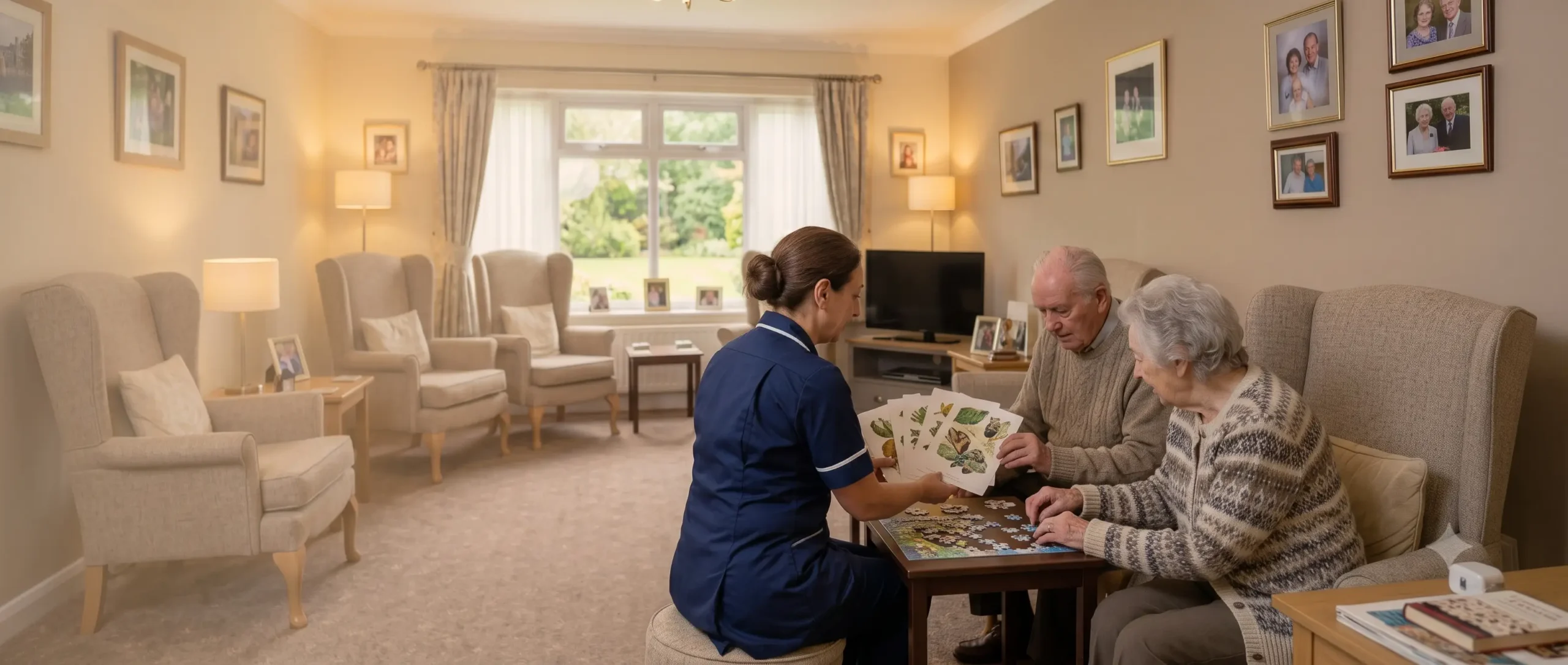
Good residential care goes beyond meals and medication. Ask for a sample activities timetable and check it includes a mix of mental stimulation, such as quizzes and reminiscence sessions, physical activity, and trips outside the home. A varied, resident-led activities programme is one of the clearest signs of genuine person-centred care.
Understand the Costs and Funding Options
Weekly fees in Preston typically range from £1,000 to £1,400 depending on care needs and room type. Ask exactly what is included in the quoted fee, and whether costs rise if care needs increase. If savings and assets are below £23,250, you may be eligible for local authority funding through Lancashire County Council, so it’s worth having a financial assessment early in the process.
Questions to Ask on Every Visit
- What is the current CQC rating, and when was the last inspection?
- What is the staff-to-resident ratio during the day and overnight?
- How are individual care plans created and reviewed?
- Can family members visit at any time?
- What happens if care needs increase over time?
Finding Family-Run Care in Preston
At JT Care Homes, we’ve been a family-run care provider in Preston since 1984, with three homes across Fulwood: Fairmont, Oxford House, and The Brooklands. Each home is CQC-rated ‘Good’ and offers 24 places, with a genuinely close-knit, homely atmosphere that’s hard to find in larger settings. To learn more about our approach to care, visit our Our Care page, or get in touch to arrange a visit.
Making the Final Decision
There’s rarely a single ‘right’ answer when choosing a care home; it’s about matching the home’s strengths to your loved one’s needs and personality. Trust your instincts from the visits, involve your loved one in the decision wherever possible, and don’t be afraid to ask difficult questions before signing an agreement. A good care home will welcome the scrutiny.