Loneliness is one of the most overlooked risks to health in later life. It rarely shows up as a medical emergency, so it can go unnoticed for months or even years, quietly affecting mood, appetite, memory and general wellbeing. For families in Preston watching an ageing parent or relative spend more time alone, understanding why this happens, and what genuinely helps, matters more than ever.
At JT Care Homes, connection is something we build into daily life rather than treat as an afterthought. Here is what families should know about loneliness in older age, and how the right care environment can make a real difference.
Why Loneliness Becomes More Common With Age
Several life changes tend to converge in later life, and each one chips away at a person’s social world. The loss of a spouse or close friends removes daily companionship that may have existed for decades. Retirement removes the structure and social contact that work once provided. Reduced mobility or the loss of a driving licence can make it harder to get out and see people. Health conditions, hearing loss and reduced energy can also make socialising feel like more effort than it once did.
None of these changes happen all at once, which is part of why loneliness can be so easy to miss from the outside. A parent may sound fine on the phone while quietly spending most of their week without meaningful contact with another person.
The Impact of Loneliness on Health
Loneliness is not simply an emotional issue. Research has consistently linked chronic loneliness in older adults to a higher risk of depression, cognitive decline, poor sleep and weakened immune function. People who are socially isolated are also more likely to neglect meals, skip medication and become less physically active, all of which compound existing health problems.
For families, this is often the piece that reframes the conversation. Addressing loneliness is not just about improving someone’s mood, it is a genuine part of protecting their overall health.
Signs a Loved One May Be Struggling With Isolation
A few common signs are worth paying attention to:
- Spending most days without seeing or speaking to anyone
- A noticeable drop in interest in hobbies they used to enjoy
- Low mood, flat conversation, or reluctance to make plans
- Skipping meals or losing interest in cooking
- Reluctance to leave the house even for short outings
- Repeating the same routine with little variation week to week
If these patterns sound familiar, it may be time to think about how much genuine social contact your loved one is actually getting, not just how often you speak to them.
How Residential Care Helps Combat Loneliness
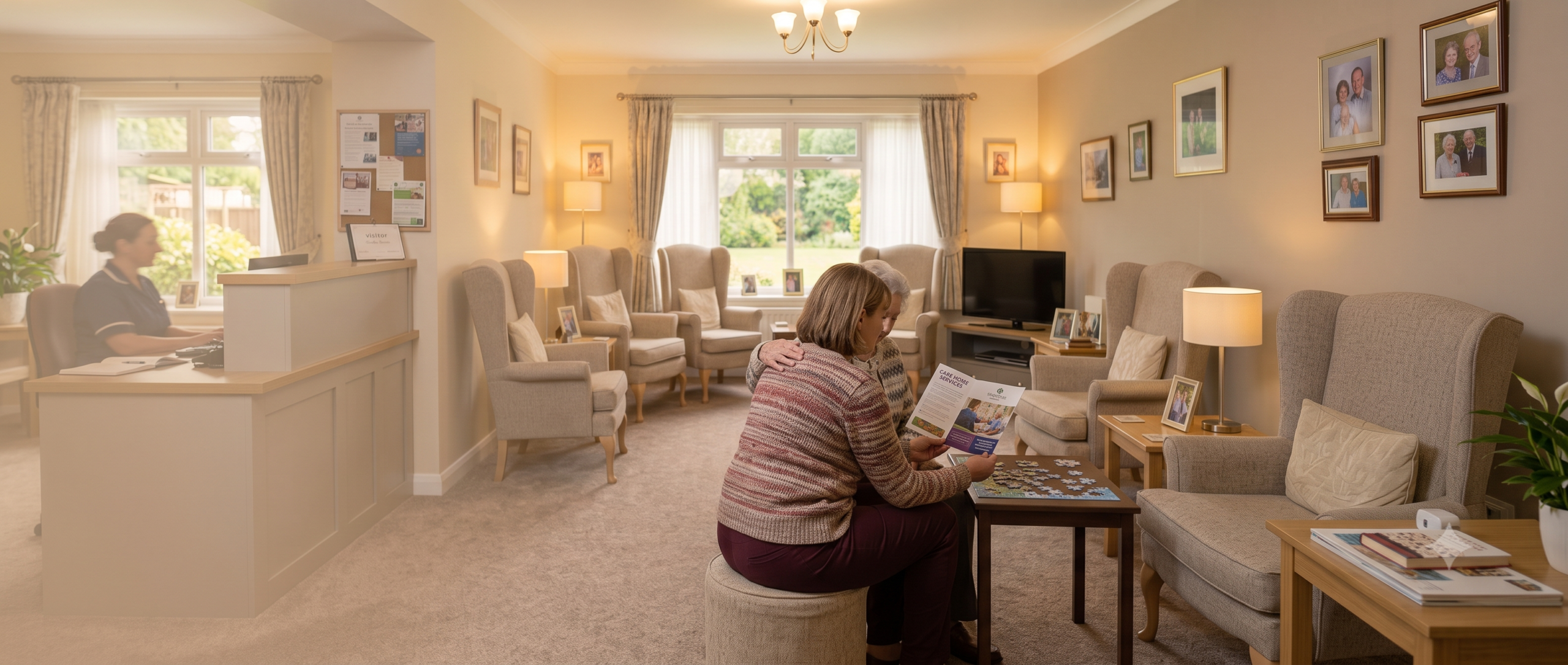
One of the most consistent benefits families notice after a move into residential care is how quickly social isolation improves. Rather than relying on scheduled visits or the occasional outing, residents are surrounded by staff and peers throughout the day, with regular opportunities for conversation, shared meals and group activities built into daily life.
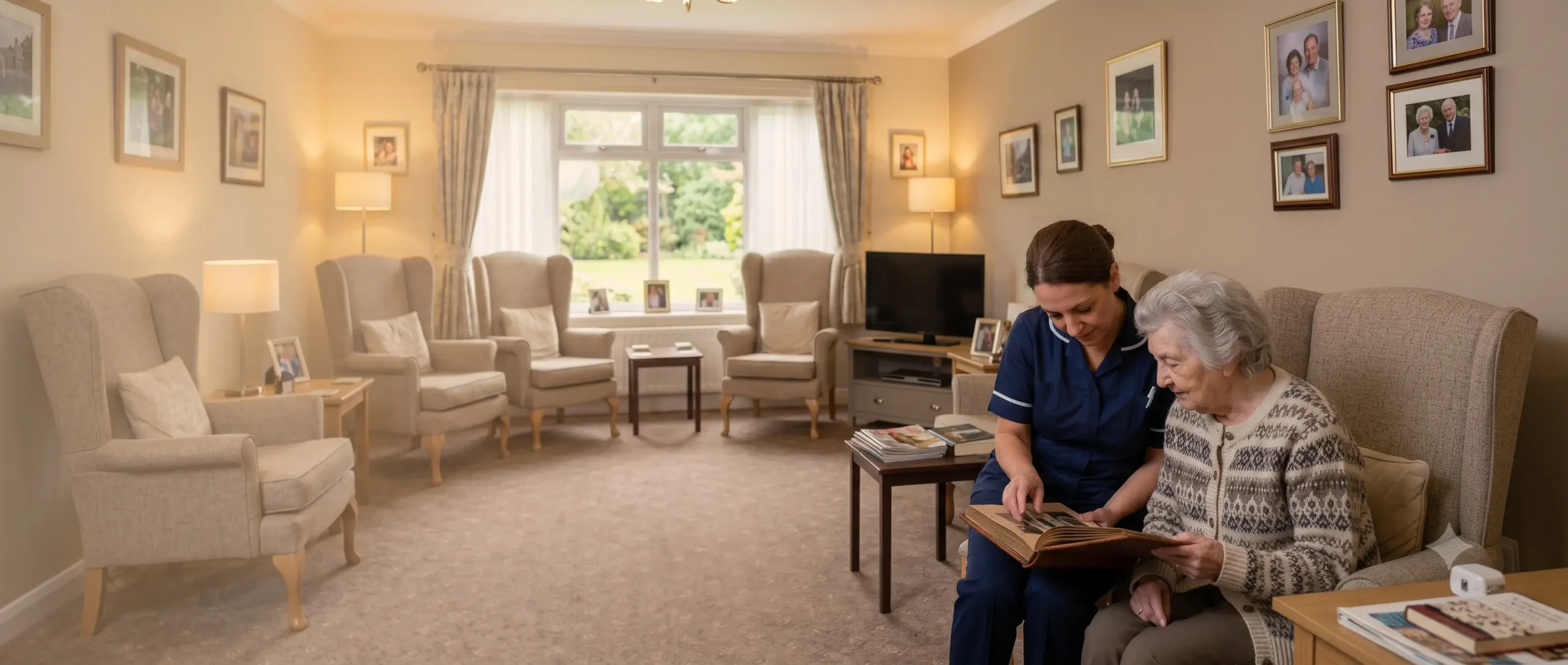
At JT Care Homes, our Activities & Wellbeing programme is designed specifically around this. Residents take part in mental stimulation activities, reminiscence therapy, physical activities suited to their ability, creative crafts and organised excursions. These are not filler activities added for appearance. They are structured opportunities for residents to engage with others, share stories, laugh, and feel like an active part of a community again.
Our Our Care page outlines the different ways we support residents, including companion and wellbeing-focused care for people who would benefit from lighter support alongside social connection, as well as full residential care for those who need more comprehensive daily support.
A Family-Run Approach to Genuine Connection
JT Care Homes has been family-run since 1984, founded by Jean Titterington and still led by her children today. That family ethos shapes how our homes operate day to day. We are not part of a large national chain, and our three homes across Fulwood, Preston, The Brooklands, Fairmont and Oxford House, each support a maximum of 24 residents.
This smaller scale matters. It means staff genuinely get to know each resident, their history, their preferences and their personality, rather than managing care at a distance. All three homes are rated Good by the Care Quality Commission, and we hold a Lancashire County Council Band 1 rating together with ISO 9001 accreditation, reflecting our consistent standards of quality.
You can learn more about each of our homes and their individual character on our Our Homes page.
Starting the Conversation With Your Family
Bringing up the topic of loneliness or a possible move into care can feel uncomfortable, especially if a parent is used to being independent. It often helps to focus the conversation on what they would gain, more company, structured days, new friendships and less time spent alone, rather than framing it purely around what they might be struggling with.
A short-term respite stay can also be a low-pressure way to introduce the idea, allowing a loved one to experience daily life in a care home, including the social side of it, without committing to a permanent move straight away.
Frequently Asked Questions
Is loneliness really a health risk, or just an emotional issue?
Both. Chronic loneliness in older adults has been linked to higher risks of depression, cognitive decline and poorer physical health, in addition to its emotional impact.
How can I tell if my parent is lonely if they seem fine on the phone?
Phone calls can mask isolation. Look for signs such as reduced interest in hobbies, skipped meals, low mood, or long stretches with no other social contact during the week.
Do care homes really help with loneliness, or just provide medical support?
Genuine social connection is a core part of residential care. At JT Care Homes, our daily activities programme is specifically designed to build regular social interaction into every resident’s routine.
Can respite care help before committing to a permanent move?
Yes. A short-term respite stay allows a loved one to experience the social and daily life of a care home without a long-term commitment, which can ease the transition if a permanent move is later considered.
What size are JT Care Homes’ homes?
Each of our three homes, The Brooklands, Fairmont and Oxford House, supports a maximum of 24 residents, allowing for a close-knit, family-style environment.
Helping Your Loved One Feel Connected Again
Loneliness in older age is common, but it is not something families need to accept as inevitable. The right environment, one built around genuine daily connection rather than occasional visits, can make a meaningful difference to both wellbeing and quality of life.
If you would like to see what daily life looks like at one of our homes, we would be glad to show you around. Contact us today to arrange a visit or speak with our team about your family’s situation.