You’re exploring care options and keep seeing terms: nursing care, residential care, independent living. What’s the difference? Which does your loved one need?
The distinction is important. Nursing care is for people with significant medical needs requiring nurse support. Residential care provides personal support and companionship for people needing help with daily activities but not medical nursing.
Understanding this distinction helps you identify what your loved one actually needs and find the right setting. This guide explains the differences, what each provides and how to determine which is appropriate.
What Is Residential Care?
Residential care (also called aged care or social care) provides accommodation, personal support and social engagement for people needing assistance with daily activities.
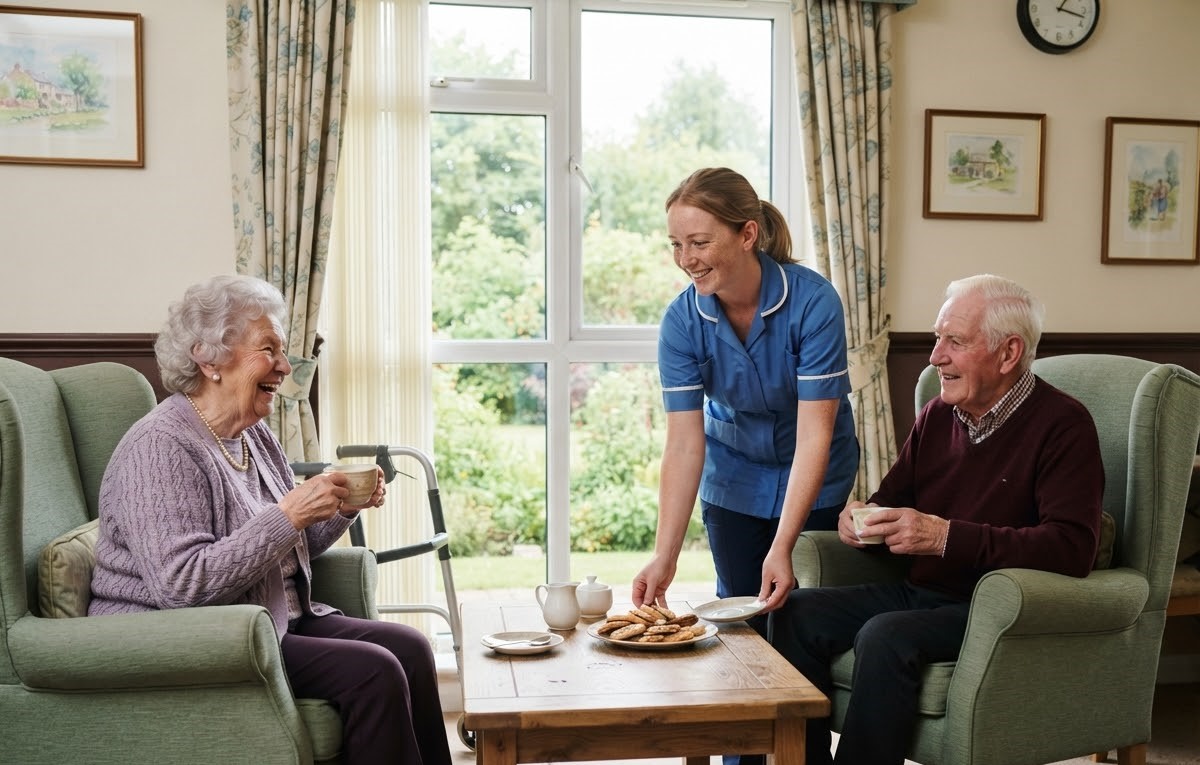
Services include help with personal care (bathing, dressing, toileting), meal preparation, housekeeping, medication management, activities and social connection. The focus is supporting independence, dignity and quality of life.
Residential care suits people who are largely independent but need some support. Someone might manage their own medications and social engagement but need help bathing or housekeeping. Or someone might have mobility limitations but no medical nursing needs.
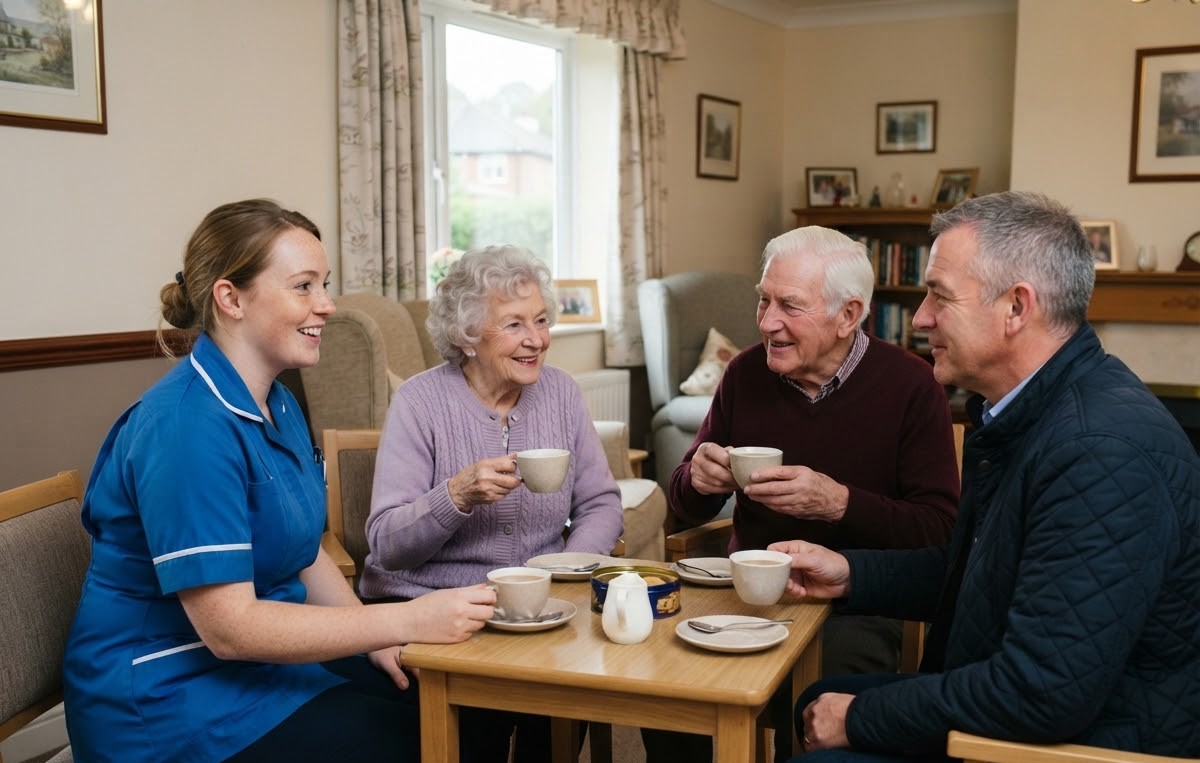
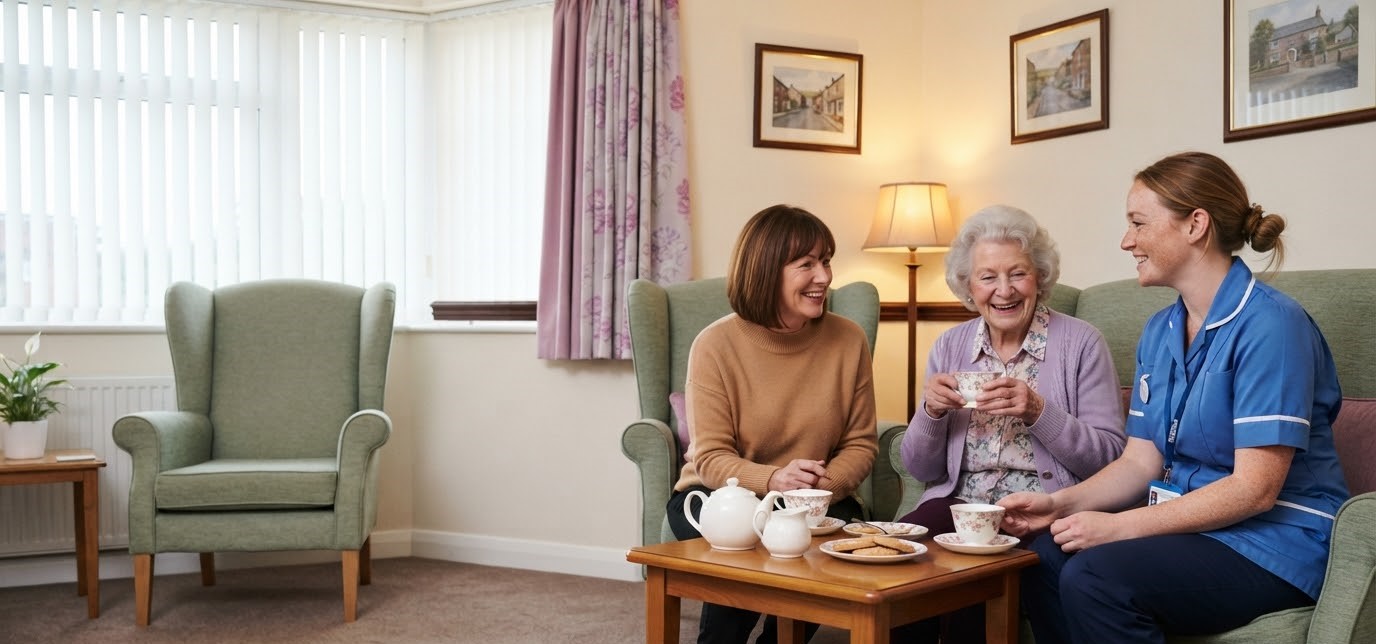
At JT Care Homes, we provide residential care with strong emphasis on person-centred support, maintaining independence and engagement. Our small homes and consistent staffing create genuine relationships and individualised support.
What Is Nursing Care?
Nursing care (also called aged care with nursing or nursing home care) combines residential support with professional nursing care provided by registered nurses.
Nursing care includes everything residential care provides plus medical nursing: wound care, medication management by nurses, management of complex medical conditions, palliative care coordination and health monitoring.
Nursing care suits people with significant medical needs: complex medications, ongoing wound care, chronic illness management or advanced dementia requiring medical oversight.
The key distinction: nursing care has nurses on staff managing medical aspects. Residential care relies on GPs for medical management but doesn’t have nursing staff on site.
Staffing Differences
Staffing reflects the different care levels.
Residential care. Care staff with training in personal care but not nursing. Care supervisors or coordinators. May have access to allied health (physiotherapy, occupational therapy). Close coordination with residents’ GPs for medical aspects.
Nursing care. Registered nurses on staff. Care staff under nursing supervision. Same allied health access. Nurses manage medical care day-to-day rather than relying solely on GP visits.
Cost Differences
Nursing care generally costs more than residential care because of professional nursing staffing.
Residential care in Australia typically costs £2,000-£3,500+ monthly depending on region and home. Nursing care typically costs £3,500-£6,000+ monthly. Specific pricing varies significantly.
NDIS funding and government support may cover portions of costs depending on circumstances.
How to Determine What Your Loved One Needs
Several factors indicate whether residential or nursing care is appropriate.
Medical complexity. If managing one or two stable conditions, residential care often suffices. If managing multiple complex conditions, changing medications frequently or requiring professional nursing skills, nursing care is more appropriate.
Wound care or medical procedures. Nursing care is necessary for residents needing regular wound dressing, catheter care or other medical procedures.
Medication management. Simple medication management by care staff is fine. Complex medication regimens with frequent changes or requiring professional nursing assessment suggest nursing care.
Dementia or cognitive impairment. Advanced dementia sometimes requires nursing care because of associated medical complexity. Early dementia can usually be managed in residential care.
Physical dependency. Total dependence on staff for all personal care doesn’t automatically require nursing care. But if medical complications accompany this dependency, nursing care is better.
Palliative care needs. End-of-life care can be provided in residential settings coordinated with palliative care specialists. But complex palliative needs might be better supported in nursing care settings.
Have this conversation with your GP. They understand your loved one’s medical situation and can recommend appropriate care level.
Transitioning Between Care Levels
Sometimes people start in residential care but later need nursing care as health declines.
Quality care providers support transitions. Some organisations operate both residential and nursing settings and can support moves between levels. Others help arrange transitions to nursing care when needed.
Discuss transition possibilities when choosing a care home. Understanding the path forward if needs change provides security.
Common Misconceptions
Several misconceptions about care types create confusion.
Misconception: Residential care means no medical support. False. Residential care includes close coordination with GPs, medication management and health monitoring. But nursing care isn’t provided on site.
Misconception: Nursing care is always hospital-like. False. Quality nursing care facilities feel homely while providing necessary medical support.
Misconception: Everyone in residential care is independent. False. Residents range from quite independent to totally dependent on care staff for personal care. Residential care accommodates various dependency levels.
Misconception: Nursing care is only for dying people. False. Nursing care supports people with complex medical needs who might live for many years.
At JT Care Homes
JT Care Homes provides high-quality residential care in three small, homely settings across Fulwood. Our person-centred approach means residents receive individualised support appropriate to their needs.
We coordinate closely with GPs and healthcare providers. Our activities and wellbeing programmes keep residents engaged and healthy. Our small size and consistent staffing create genuine relationships and individualised care.
For residents requiring nursing care, we can discuss appropriate alternatives and support transitions if needs change significantly.
Frequently Asked Questions
Can someone move from residential to nursing care? Yes. If medical needs become too complex for residential care, transitions to nursing care can be arranged. Discuss this possibility when choosing a care home.
Is residential care appropriate for dementia?
Early to moderate dementia usually fits residential care. Advanced dementia sometimes requires nursing care depending on associated medical complexity. Discuss with your GP.
What if someone’s needs are somewhere in between?
Some people need more medical support than residential care typically provides but less than full nursing care. Discuss this with your GP and potential care providers to find appropriate fit.
Do residential care homes have doctors?
Residential care coordinates with residents’ GPs who visit regularly. Doctors aren’t on site but are accessible and involved in care planning.
Is nursing care only in hospitals?
No. Nursing care is provided in community nursing homes (residential settings with nursing staff) and can also be provided in home settings. It’s not exclusively hospital-based.
How do I choose between options?
Discuss with your GP. They understand medical needs and can recommend appropriate care level. Visit potential care homes. Ask detailed questions about what they provide.
Finding the Right Fit
Choosing between residential and nursing care depends on your loved one’s specific medical and personal support needs.
The right choice ensures your loved one receives appropriate support while maintaining quality of life, independence and dignity. The wrong choice either overprovides unnecessary medical care or underprovides necessary support.
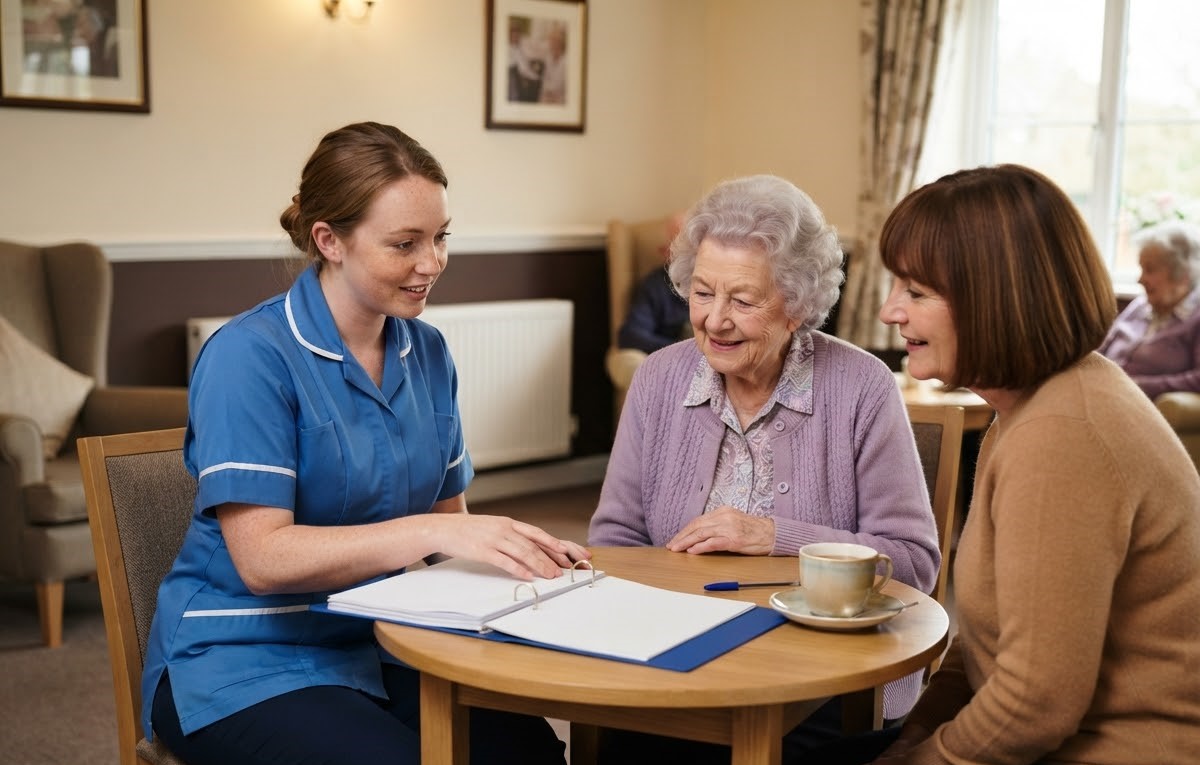
Work with your GP, your loved one and potential care providers to determine the right fit. Good care homes help this process by explaining what they provide and helping you understand whether their services match needs.
Ready to discuss whether residential care is appropriate for your loved one? Contact JT Care Homes today. We’ll help you understand your options and discuss whether our residential care services fit your loved one’s needs.