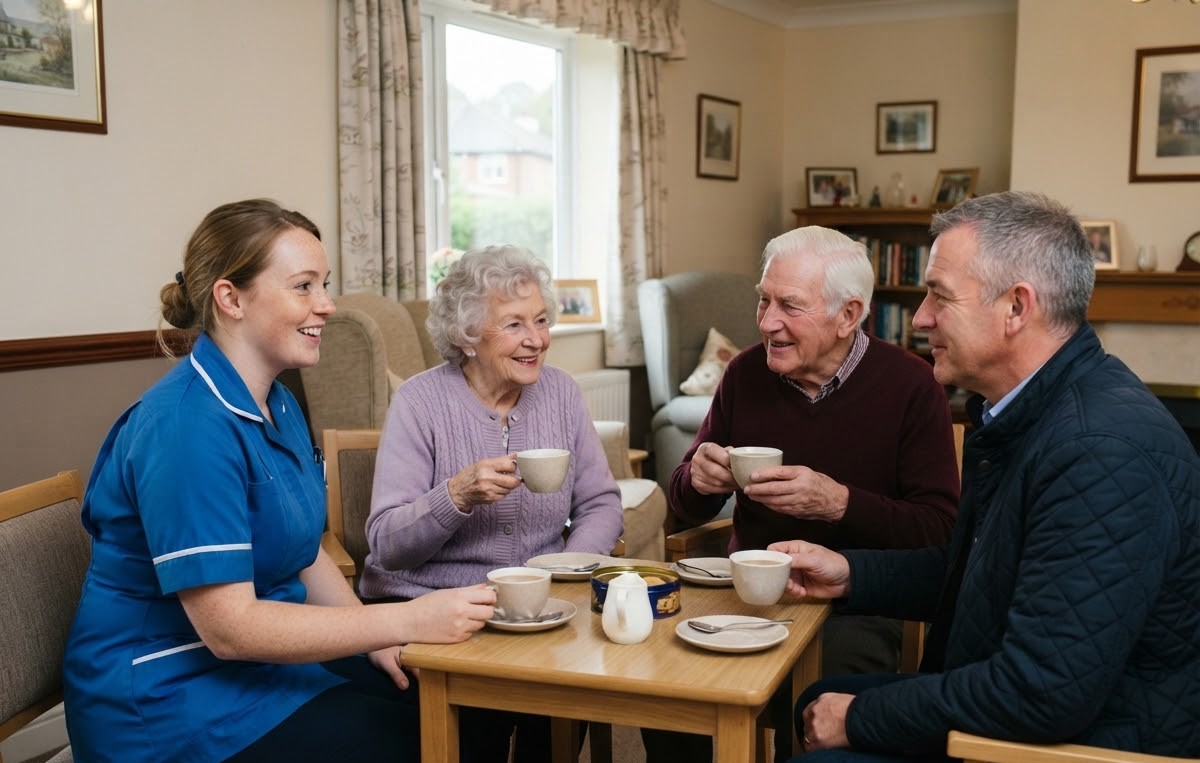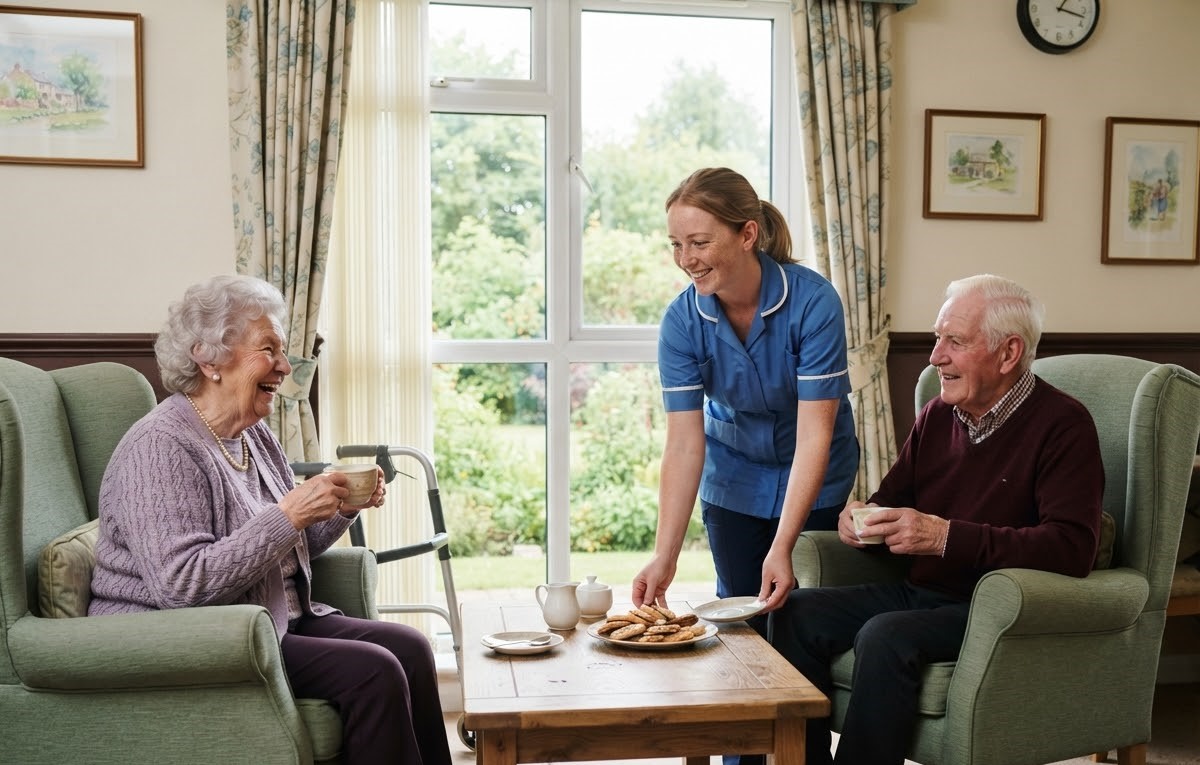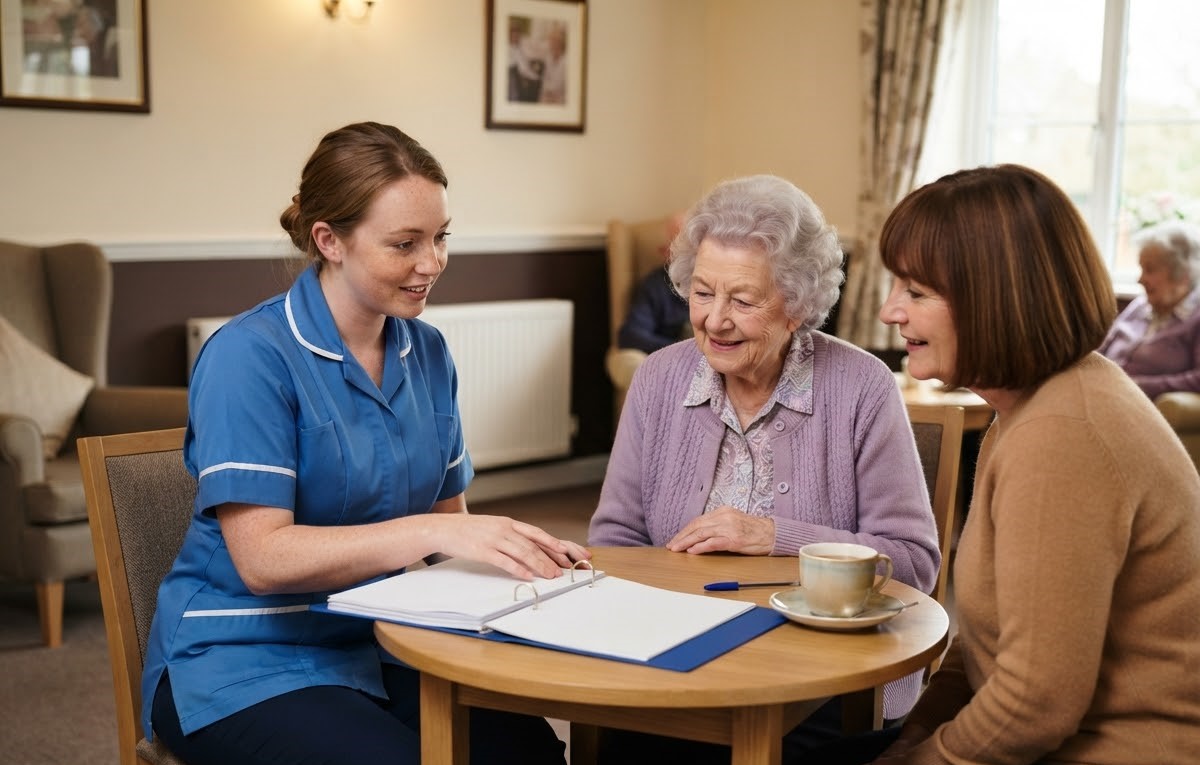
The move to a care home is one of life’s significant transitions. For your loved one, it represents major life change. For you, it brings relief, guilt, sadness and worry simultaneously.
Making this transition as smooth as possible helps everyone. When your loved one settles well, they thrive. When the transition is chaotic or rushed, adjustment takes longer and wellbeing suffers.
This guide walks through how to prepare for the move, what to expect, and how to support your loved one through transition into their new home.
Starting the Conversation
Most transitions go better when your loved one has input and time to adjust mentally.
If possible, involve your loved one in the decision early. Explain why care home support is needed. Focus on benefits: more social connection, activities, professional support, safety. Frame it as gaining support, not losing independence.
Visit potential care homes together. Let your loved one experience the environment, meet staff and see where they’d be living. Familiarity reduces fear significantly.
If your loved one is hesitant, acknowledge their concerns respectfully. Fear of institutional care, loss of independence and change are all natural. Validating these feelings helps more than dismissing them.
Choosing the Right Care Home
The right fit makes enormous difference in how well your loved one settles.
Visit our homes in Fulwood. Understand the difference between our three homes. Meet staff. Observe current residents. Notice the atmosphere. Does it feel warm and welcoming or institutional and cold?
Small care homes like ours (maximum 24 residents) often feel more homely than large institutional facilities. Residents know staff personally. Staff know residents as individuals. This familiarity supports better transitions.
Discuss your loved one’s specific needs with the care home. What support do they need? What are their interests? What makes them feel comfortable? The more the care home understands your loved one before arrival, the better they can personalise the transition.
Preparing Your Loved One
Practical preparation reduces anxiety and eases transition.
Tour the home together. Walk through their room, communal spaces, gardens and activity areas. Explain daily routines. Help them visualise daily life there.
Arrange personal items. Bring familiar possessions: photographs, artwork, treasured objects. A familiar room feels more like home than a generic space.
Discuss daily routine. Explain meal times, activity schedules, visiting hours. Knowing what to expect reduces uncertainty.
Introduce key staff. Meet the manager, key care workers, activities coordinator. Familiar faces on day one make transition easier.
Address concerns directly. If your loved one worries about specific things (feeling lonely, missing home, not liking food), discuss how the care home will address these concerns.
Consider a trial stay. Some care homes offer respite stays before permanent placement. A short stay lets your loved one experience the home and build confidence before full transition.
Practical Preparation Checklist
Several practical tasks ease the move.
Medical information. Compile complete medical history, current medications, medication allergies, GP contact details and recent medical records. Provide this to the care home.
Financial arrangements. Clarify funding, payment arrangements and any financial documentation needed.
Legal documentation. Ensure power of attorney, advance care planning documents and other legal paperwork are in order.
Clothing and belongings. Label everything. Bring suitable clothing for all seasons and occasions.
Communication preferences. Establish how you’ll stay in contact. Phone calls? Emails? Visiting schedule?
Emergency contacts. Provide comprehensive emergency contact information.
Moving Day and First Days
Moving day emotions run high. Keep it calm and unhurried if possible.
Stay positive. Your attitude affects your loved one’s experience. If you’re anxious, they sense it. Project calm confidence.
Don’t linger at goodbye. Extended goodbyes intensify sadness. Brief, positive goodbyes work better. “I’m leaving now, I’ll call you tomorrow” is clearer than drawn-out emotional farewells.
Don’t disappear. Despite not staying long, maintain contact. Phone calls or visits the next day reassure your loved one you haven’t abandoned them.
Let staff support them. Staff are trained in transitions. Let them occupy your loved one’s attention after you leave. Trust their expertise.
Stay patient. Adjustment takes time. First days are hardest. Most people settle significantly within 2-4 weeks.
At JT Care Homes, we support transitions carefully. Our person-centred care approach means staff work with your loved one individually to ease settlement. Our activities and wellbeing programmes provide immediate engagement and social connection supporting transition.
Common Transition Challenges
Several challenges emerge during transition. Understanding them helps.
Homesickness. Missing familiar surroundings is natural. Photos and calls from family help. Gradually, the care home becomes familiar and feels more like home.
Difficulty sleeping. New environments disrupt sleep. This usually improves within days to weeks as the environment becomes familiar.
Appetite changes. Stress affects appetite. As anxiety decreases and they enjoy meals with others, appetite usually improves.
Resistance to activities. New residents sometimes resist activities initially. Gentle encouragement helps. Most people engage enthusiastically once they participate.
Behaviour changes. Confusion, sadness or irritability in first days is normal. These usually resolve as settlement improves.
Difficulty adjusting. Some people take longer to settle. Staff persistence and family support help. If genuine problems persist after 4 weeks, discuss with the care home.
Supporting Your Loved One Through Transition
Family support significantly affects how well your loved one settles.
Visit regularly. Consistent visits reassure your loved one they haven’t been abandoned. Weekly visits work better than occasional long visits once they’ve settled.
Share in activities. Attend activities together when possible. This helps you understand their new life and signals that you approve of their environment.
Communicate with staff. Ask staff how your loved one is settling. Share observations. Work collaboratively with staff supporting your loved one.
Celebrate small wins. Notice and praise progress. “I’m so glad you’re making friends with Margaret” or “You seem to really enjoy the activities.” Positive reinforcement encourages continued adjustment.
Maintain family connection. Bring photos, share family news, maintain threads of their previous life. But also embrace their new life.
Respect their autonomy. As they settle, let them make choices. Encourage independence. Support their new relationships and routines.
Frequently Asked Questions
How long does transition usually take?
Most people settle significantly within 2-4 weeks. Some take longer. Full comfort usually develops over 2-3 months.
Should I visit every day after my loved one moves in?
Daily visits initially can sometimes hinder adjustment. Regular visits (2-3 times weekly) often work better, allowing your loved one to adjust while maintaining connection.
What if my loved one really struggles to settle?
Work with care home staff. They have experience supporting difficult transitions. Small changes often help significantly. Persistent problems after 4 weeks warrant deeper investigation.
Can I bring all my loved one’s belongings?
Some, yes. But overcrowding a room creates chaos. Bring essentials and meaningful items. More can be added later if needed.
What if my loved one wants to leave?
Wanting to leave is common initially. Reassurance and time usually resolve this. Forcing them to stay creates resistance. Instead, focus on reasons the care home is good for them.
How do I help my loved one make friends?
Encourage attendance at activities. Introduce them to other residents and their families. Most people naturally build friendships through shared activities and time together.
Making Transition Successful
Successful transition isn’t instantaneous. It’s a process requiring patience, support and realistic expectations. Your loved one will likely feel sad, anxious and uncertain initially. With time, familiar staff, engaging activities and family support, the care home becomes home.
The goal isn’t eliminating all sadness or change. It’s helping your loved one move from one life chapter to another, maintaining their identity and dignity while building a new home and community.
Ready to ease your loved one’s transition? Contact JT Care Homes today. We’ll walk you through the transition process and support your loved one every step of the way.