Your loved one moved to a care home. You worry: Will they make friends? Will they feel isolated? Will they actually enjoy life there?
These concerns are understandable. Friendships and social connection are fundamental to wellbeing and happiness. People without genuine friendships experience depression, decline and poor health outcomes.
Yet care homes offer unique opportunity for friendship building. Residents share environment, attend activities together, and have time for genuine connection. With support from staff and family, your loved one can build meaningful friendships and thrive socially.
This guide explains why friendships matter, how care homes facilitate connection and how families can support friendship building.
Why Friendships Matter
Friendships aren’t luxury in care homes. They’re essential to wellbeing.
Combat loneliness and isolation. Loneliness damages health as severely as smoking or obesity. Genuine friendships provide antidote to isolation. Regular social interaction keeps residents engaged and healthy.
Improve mental health. Residents with friends experience less depression and anxiety. Friendships provide meaning, purpose and emotional support.
Encourage engagement. Residents with friends participate more in activities. They eat better, sleep better and maintain better overall health.
Provide practical support. Friends help each other. They share meals, attend activities together and support through difficult times.
Create community. Friendships transform institutional setting into genuine community. Residents feel part of something, not just inhabitants in a facility.
Quality of life in care homes depends substantially on social connection. Friendless residents exist in the care home. Connected residents truly live there.
How Care Homes Facilitate Friendship
Structured care homes create environments where friendships naturally develop.
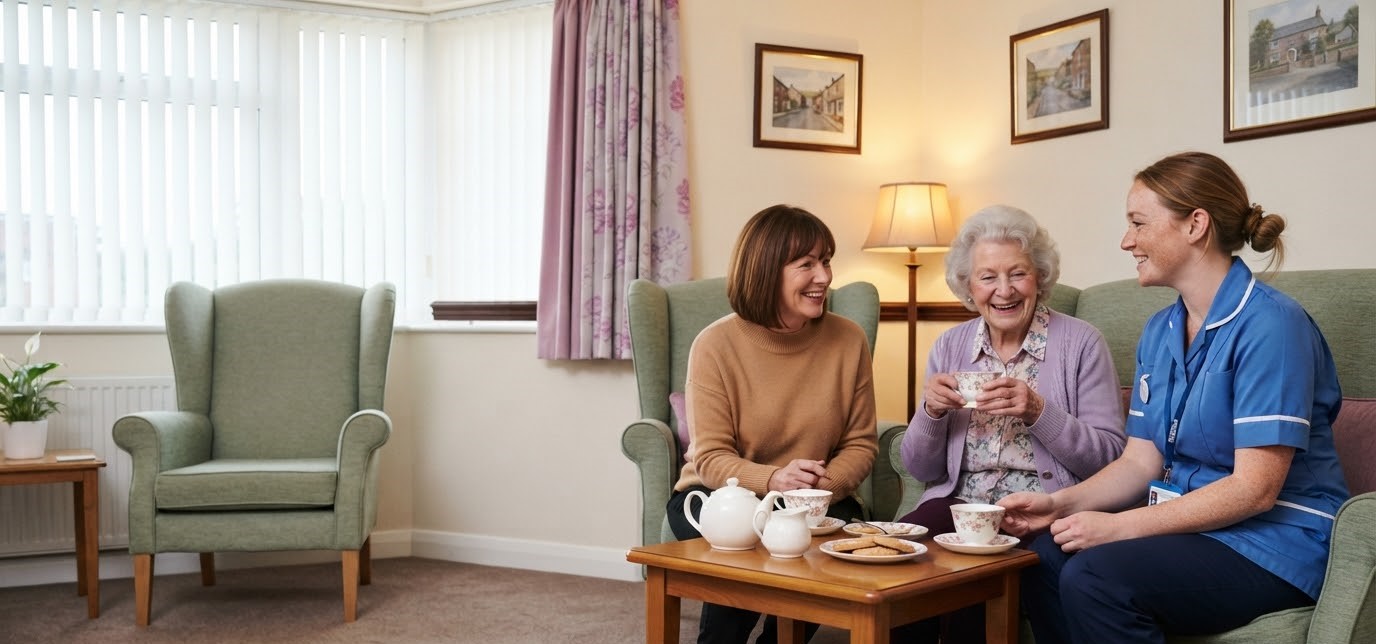
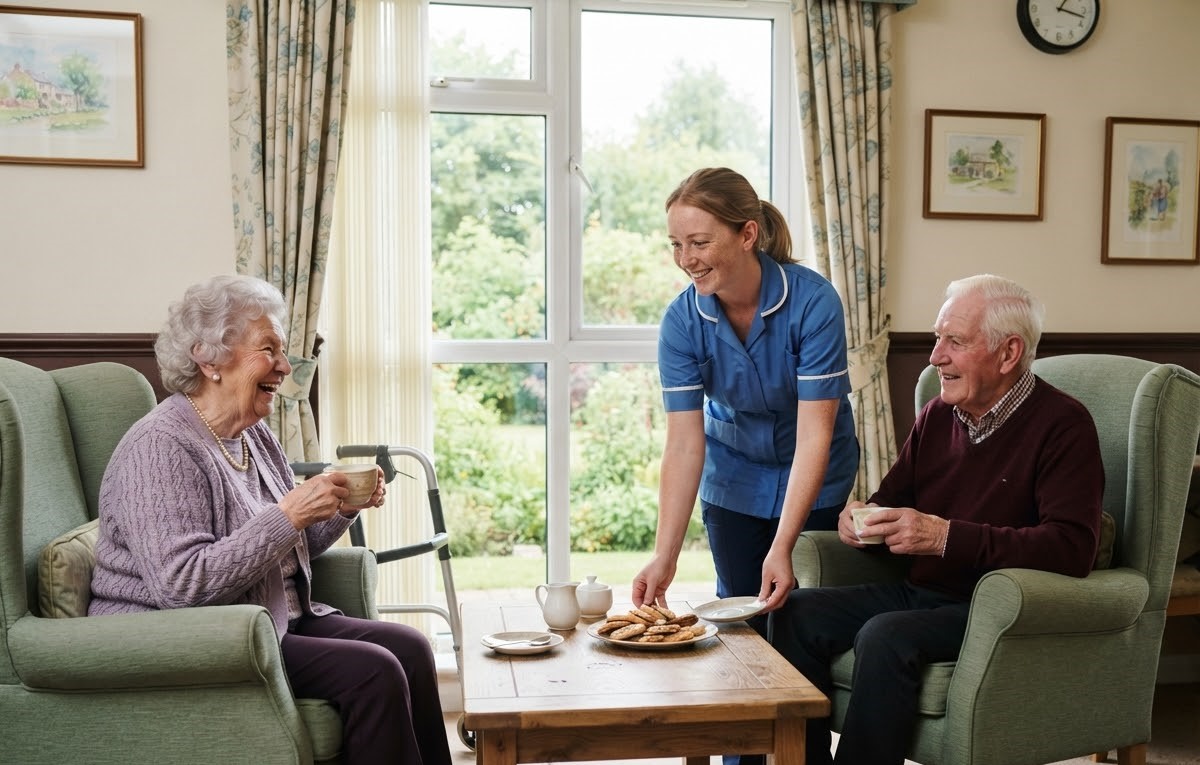
Shared activities. When residents attend activities together—sing-alongs, quizzes, crafts—they naturally interact and connect. Our activities and wellbeing programmes create these opportunities daily.
Shared spaces and meals. Dining together, sitting in lounges and spending time in common areas creates natural social interaction. Residents develop relationships through repeated, informal contact.
Small community size. Large care homes make deep connection difficult. Everyone’s a stranger. Small homes like ours (24 residents maximum) create genuine community. Residents and staff know each other. Friendships develop naturally.
Consistent staff. When the same staff work regularly, they understand residents and can facilitate connections. They know who might enjoy each other’s company and can encourage interaction.
Welcoming culture. Care homes that genuinely value friendships, encourage social interaction and celebrate relationships foster better friendship formation than those focused purely on task completion.
Personality Types and Friendship
People vary in how they build friendships. Understanding your loved one’s personality helps support their social journey.
Extroverts. Social butterflies who enjoy meeting people and group activities. They typically build friendships quickly in group settings. Support their participation in activities and encourage them to reach out to others.
Introverts. Prefer smaller groups or one-on-one connection. They may seem quiet in large activities but build deep friendships one or two at a time. Support them by encouraging smaller group activities or paired interaction.
Reserved people. May take time to open up. Don’t push too hard. Gradual exposure to group activities, with encouragement, often leads to eventual friendships.
Social people with specific interests. May bond with others sharing their interests. Someone passionate about gardening connects with other gardeners. Someone who loves music bonds with music lovers. Encourage participation in interest-specific activities.
Understanding your loved one’s social style helps you support their specific friendship journey rather than forcing a one-size-fits-all approach.
Common Barriers to Friendship
Several factors can inhibit friendship formation.
Shyness or social anxiety. Some residents fear rejection or feel uncertain in new social situations. Patience and gentle encouragement help. Staff and family can facilitate initial interactions reducing anxiety.
Hearing or communication difficulties. Difficulty hearing or communicating creates barriers. But with patience, other residents often accommodate. Sitting near someone who speaks clearly or using hearing aids helps.
Mobility limitations. Someone unable to attend group activities misses friendship opportunities. Encouraging attendance with support, or arranging one-on-one visiting, helps.
Depression or low mood. Depression makes social engagement seem pointless. Early support with mood issues often improves social engagement naturally.
Cognitive impairment. Dementia can make friendship building more challenging but not impossible. Consistency, patience and reminders from staff help friendships develop and persist.
Recent arrival. Everyone needs time to adjust. Initial loneliness is normal. As residents settle, friendships typically develop.
Staff at JT Care Homes understand these barriers and work actively to support friendship building despite challenges.
How Families Can Support Friendship
Families significantly influence whether their loved one builds friendships.
Encourage participation in activities. Suggest your loved one join specific activities. Attend activities together initially to model engagement.
Introduce your loved one to other residents. If you know other residents’ family members, facilitate introductions. Help your loved one learn names and something about each person.
Celebrate budding friendships. Notice when your loved one mentions specific friends. Ask about them during visits. Positive reinforcement encourages continued friendship.
Support social events. Encourage attendance at care home social events, celebrations and outings. These create natural friendship opportunities.
Don’t expect immediate friendships. Friendship building takes time. Some people connect within weeks. Others take months. Be patient with the process.
Visit strategically. If visits coincide with activities, your loved one might miss friendship opportunities with other residents. Balance visiting with time for resident relationships.
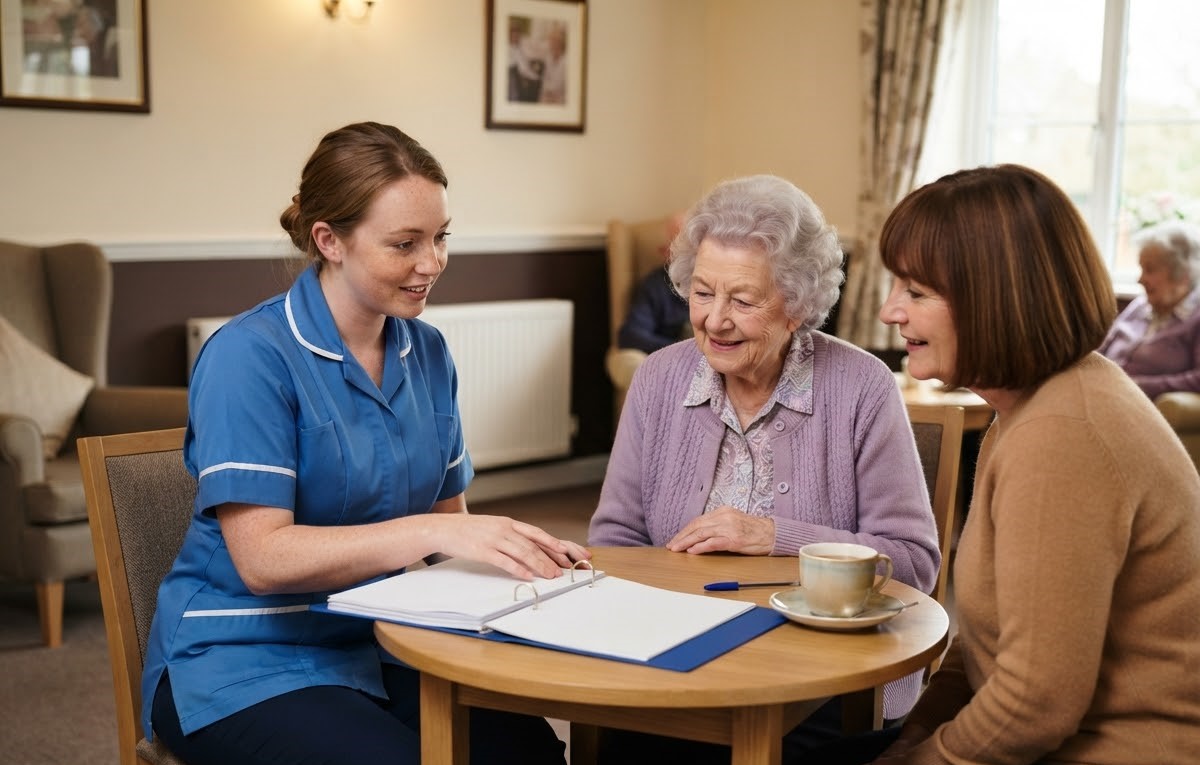
Share your loved one’s interests. If your loved one has hobbies or interests, mention these to staff. Staff can suggest activities or residents sharing those interests.
Different Types of Care Home Friendships
Friendships in care homes take various forms.
Activity partners. Residents who attend activities together but don’t socialise outside them. These friendships provide social engagement and mutual support.
Lunch companions. Residents who eat together regularly. Shared meals create opportunity for conversation and connection.
Deep friendships. Genuine close friendships between residents who spend considerable time together, support each other emotionally and genuinely care about each other.
Staff relationships. Residents often develop close, meaningful relationships with care staff who provide consistent support. While different from peer friendships, these relationships are profoundly valuable.
Each type provides value. The goal isn’t necessarily deep friendship with many people. It’s genuine connection reducing isolation and improving wellbeing.
Our Homes Support Connection
At JT Care Homes, our small homes create natural community. Our three homes across Fulwood each support 24 residents maximum. This small size means genuine community rather than institutional anonymity.
Our consistent staff provide continuity facilitating deep relationships. Staff know residents individually and can introduce people who share interests or personalities.
Our person-centred care philosophy means resident preferences, interests and social needs guide support. We don’t force friendships. We create environments where they develop naturally.
Visit our homes to experience the genuine community we’ve built.
Frequently Asked Questions
What if my loved one doesn’t naturally make friends?
Some people need more encouragement. Staff and family can facilitate interaction. Early encouragement often leads to eventual friendship as comfort builds.
Is it normal to feel lonely initially?
Yes. Moving to a new environment creates initial loneliness. This typically improves as residents settle and develop friendships. If loneliness persists beyond 2-3 months, discuss with staff.
Can residents with dementia build friendships?
Yes, though differently. They may not remember specific people but enjoy consistent interaction. Regular activity partners provide ongoing connection regardless of memory.
What if my loved one has always been lonely?
A care home environment actually helps. Unlike previous isolation, they’re now in community with regular interaction. Staff support and family encouragement can facilitate friendships they might not have built independently.
Should I arrange visits with other residents’ families?
Only if your loved one would enjoy it. Some do; others prefer socialising through activities. Follow their preferences.
What if my loved one and another resident don’t get along?
Occasional conflict is normal. Staff typically mediate. If genuine incompatibility exists, staff might arrange different activity times or spaces. True friendship incompatibility is rare.
Community as Care
Genuine friendships in care homes aren’t add-ons to care. They’re central to wellbeing and quality of life. Residents who feel connected, supported and genuinely part of community thrive. Those without connection decline.
The best care homes intentionally create environments fostering friendship. They encourage social interaction, facilitate connection and value relationships as much as medical care.
Ready to explore a care home prioritising genuine community and friendships? Contact JT Care Homes today. We’ll help your loved one find a place where they can build meaningful friendships and truly thrive.