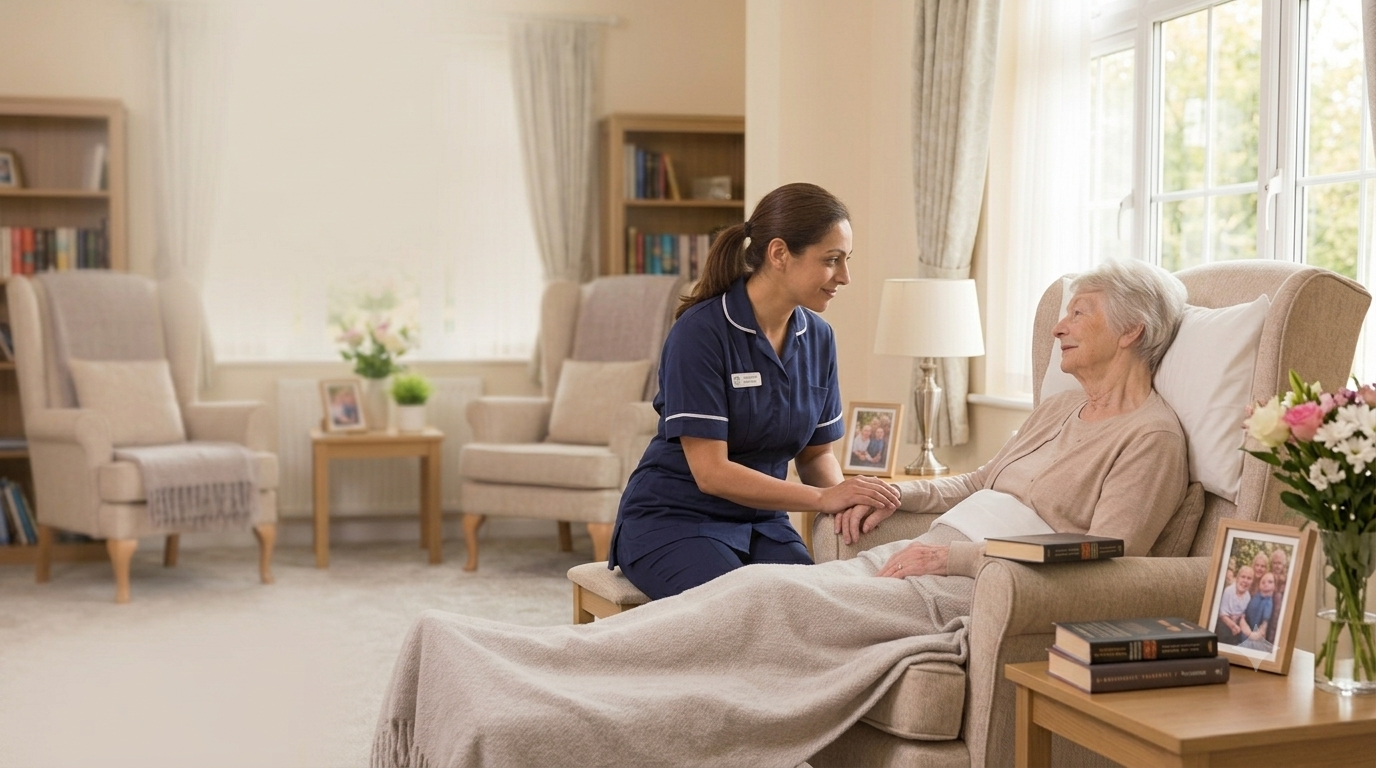
The decision has been made. A room has been chosen. Moving day is approaching, or has already happened. And now a new worry sets in: will they settle in? Will they be happy? Will this feel like home?
The first few weeks in a care home are an adjustment, for residents and families alike. It’s normal for this period to feel uncertain. Most people do settle in, often more quickly than families expect, but the transition benefits enormously from thoughtful support.
This guide explains what to expect during the settling-in period, how families can help, and the signs that a loved one is finding their feet.
What to Expect in the First Few Weeks
Moving into a care home is a major life change, and reactions vary widely.
Some adjust quickly. For residents who’ve had time to prepare, visited beforehand, and feel involved in the decision, settling in can happen within days.
Some take longer. Grief for the home left behind, confusion in unfamiliar surroundings, or simply the scale of change can mean adjustment takes several weeks.
Emotional ups and downs are normal. Good days and difficult days often alternate during this period. A difficult afternoon doesn’t undo a good week.
Routine brings comfort. As residents learn the rhythm of the home, mealtimes, activities, familiar faces, anxiety usually eases. Predictability is reassuring.
Families feel it too. It’s common for family members to feel guilt, worry or grief of their own during this period. This is a normal part of the transition, not a sign that the decision was wrong.
How to Support a Smooth Transition
There’s a lot families can do to help this period go well.
Personalise the room. Familiar furniture, photographs, favourite blankets and small personal items make a new room feel like it belongs to the person living in it.
Visit, but don’t overwhelm. Regular visits provide reassurance and continuity. Very frequent visits in the first days, however, can sometimes make it harder for a resident to settle into the home’s routine. Staff can advise on a good balance.
Share information with staff. Tell the care team about routines, preferences, favourite topics of conversation, and things that bring comfort or cause distress. The more staff know, the better they can help someone feel at home.
Stay in touch with the care team. Regular updates from staff, and honest conversations about how settling in is going, help families feel involved and informed.
Be patient with setbacks. A bad day, a request to “go home,” or tearfulness during a visit doesn’t necessarily mean things are going wrong. These moments are a normal part of adjustment.
Look after yourself too. Supporting a loved one through this transition is emotionally demanding. Lean on your own support network, and don’t feel guilty for needing it.
Helping With Specific Challenges
Certain difficulties come up often during the settling-in period, and there are ways to ease them.
Requests to “go home.” This is common, especially for residents with memory changes, and doesn’t always mean the physical care home. Gentle reassurance, redirection to an enjoyable activity, or simply sitting with the feeling rather than arguing against it often helps more than logical explanation.
Reluctance to join activities. Some residents hang back at first. Staff are usually skilled at gentle, low-pressure encouragement, and most residents join in once they feel more familiar with the environment and the people around them.
Difficulty with mealtimes. New dining routines and unfamiliar faces at the table can take adjustment. Sharing a meal together during a visit can help ease this.
Sleep disruption. New surroundings often affect sleep in the first weeks. This typically settles as routines become familiar.
Missing pets or personal freedoms. This is a genuine loss for many residents. Photos, video calls where possible, and acknowledging the loss rather than minimising it can help.
Signs Your Loved One Is Settling In
It helps to know what progress looks like, since it isn’t always obvious day to day.
- Recognising staff and other residents by name, or greeting familiar faces
- Following the home’s routine without prompting
- Taking part in activities, even occasionally
- Talking about people or events at the home during visits
- Fewer requests to leave or go home
- General mood lifting over the weeks, even with occasional low points
- Eating and sleeping settling into a consistent pattern
Progress often isn’t a straight line, but a general trend in this direction is a good sign.
At JT Care Homes, our team understands how significant this period is. With a maximum of 24 residents in each of our homes, staff get to know every individual quickly, which helps residents feel recognised and cared for from the earliest days.
Frequently Asked Questions
How long does it usually take to settle in?
It varies. Some residents feel at home within days, others take several weeks. Six to eight weeks is a common timeframe for a fuller adjustment, though every person is different.
Should I visit every day at first?
Not necessarily. Regular visits provide comfort, but very frequent visits early on can sometimes make it harder for a resident to engage with the home’s routine. Ask staff for guidance based on your loved one’s situation.
What if my loved one keeps asking to leave?
This is common, particularly for residents with memory changes. Gentle reassurance and redirection, rather than argument, usually works better. Staff experienced in this can offer helpful strategies.
Is it normal to feel guilty during this time?
Yes, very. Many families feel guilt, grief or doubt during the transition, even when the move was the right decision. These feelings are a normal response to a big change.
What if things aren’t improving after several weeks?
Speak with the care team. Persistent distress can sometimes point to an unmet need, a health issue or a mismatch that’s worth addressing directly with staff.
Supporting the Transition Together
Settling into a care home is a process, not a single event, and it’s one that families and staff navigate together. With patience, communication and the right support, most residents find their footing and go on to build genuine connections and a real sense of home.
If your loved one is preparing to move into care, or has recently settled into a new home, our team is here to help make the transition as smooth as possible.
Have questions about settling into one of our homes? Contact JT Care Homes today. Our experienced team is here to support your family through every stage of the journey, from the first visit to a genuine sense of home.