Moving into a care home doesn’t mean losing independence. Yet many residents become passive, sitting in rooms while staff do everything for them. Over time, abilities fade. Independence erodes. Quality of life declines.
This doesn’t have to happen. Quality care homes maintain and encourage independence. Residents stay active, engaged and involved in decisions about their lives. They maintain abilities longer. They experience better quality of life.
For families and residents, understanding how to maintain independence in care homes is crucial. This guide explains why independence matters, how care homes support it and what families can do to encourage it.
Why Independence Matters
Independence isn’t about doing everything yourself. It’s about maintaining control, capability and dignity.
Preserves ability. “Use it or lose it” applies to physical and cognitive abilities. When residents stay active, they maintain strength, mobility, balance and mental acuity. When they become passive, abilities decline rapidly.
Maintains dignity. Having someone wash you, dress you and make decisions for you affects dignity and self-worth. Maintaining independence, even in small ways, preserves sense of self and dignity.
Improves mental health. Purposeful activity and sense of control improve mood, reduce depression and anxiety. Passive residents become depressed. Active residents stay mentally healthy.
Enhances quality of life. Life in a care home should be enjoyable and meaningful, not just safe and medically managed. Independence and engagement create meaningful life.
Supports social connection. Active residents participate in activities and socialise. Passive residents isolate. Social engagement is fundamental to wellbeing.
Independence, even partial independence, directly affects wellbeing and quality of life. Care homes supporting independence deliver better outcomes than those focused purely on care provision.
How Care Homes Support Independence
Quality care homes intentionally support independence through several practices.
Encourage self-care. Rather than staff doing everything, residents are encouraged to do what they can. Dressing themselves (with help if needed), grooming, toileting, these activities maintain ability and dignity. Staff assist but don’t take over unless necessary.
Offer choices. Residents should have genuine choice in daily life: what to wear, what to eat, when to wake up, which activities to join. Choice preserves autonomy and dignity.
Involve residents in decisions. Care plans should be collaborative. Residents should understand and agree with their care plan. Their preferences should guide decisions about their support.
Provide meaningful activities. Rather than passive entertainment, residents engage in purposeful activities aligned with their interests. Hobbies, learning, creative pursuits and skill-building keep minds and bodies active.
Support community participation. Residents should access community when possible. Outings to shops, restaurants, parks or cultural events maintain connection to broader community.
Encourage family involvement. Family provides continuity and helps residents maintain identity. Care homes should welcome family input and participation.
Maintain routines and structure. Familiar routines help residents know what’s happening and feel in control. Structure differs from rigidity, it’s flexible enough to accommodate preferences while providing predictability.
At JT Care Homes, our person-centred care approach puts independence at the centre. We encourage residents to maintain abilities, make choices and stay engaged. Our activities and wellbeing programmes provide meaningful engagement aligned with residents’ interests and abilities.
Types of Activities Supporting Independence
Meaningful activities take many forms.
Physical activities. Gentle exercise, walks, gardening and movement classes maintain physical health and mobility. Exercise improves strength, balance and reduces fall risk.
Cognitive activities. Quizzes, puzzles, reminiscence sessions, reading and learning activities maintain mental sharpness. Cognitive engagement prevents decline.
Creative activities. Art, music, crafts and creative pursuits provide joy, self-expression and purpose. Creative engagement supports wellbeing.
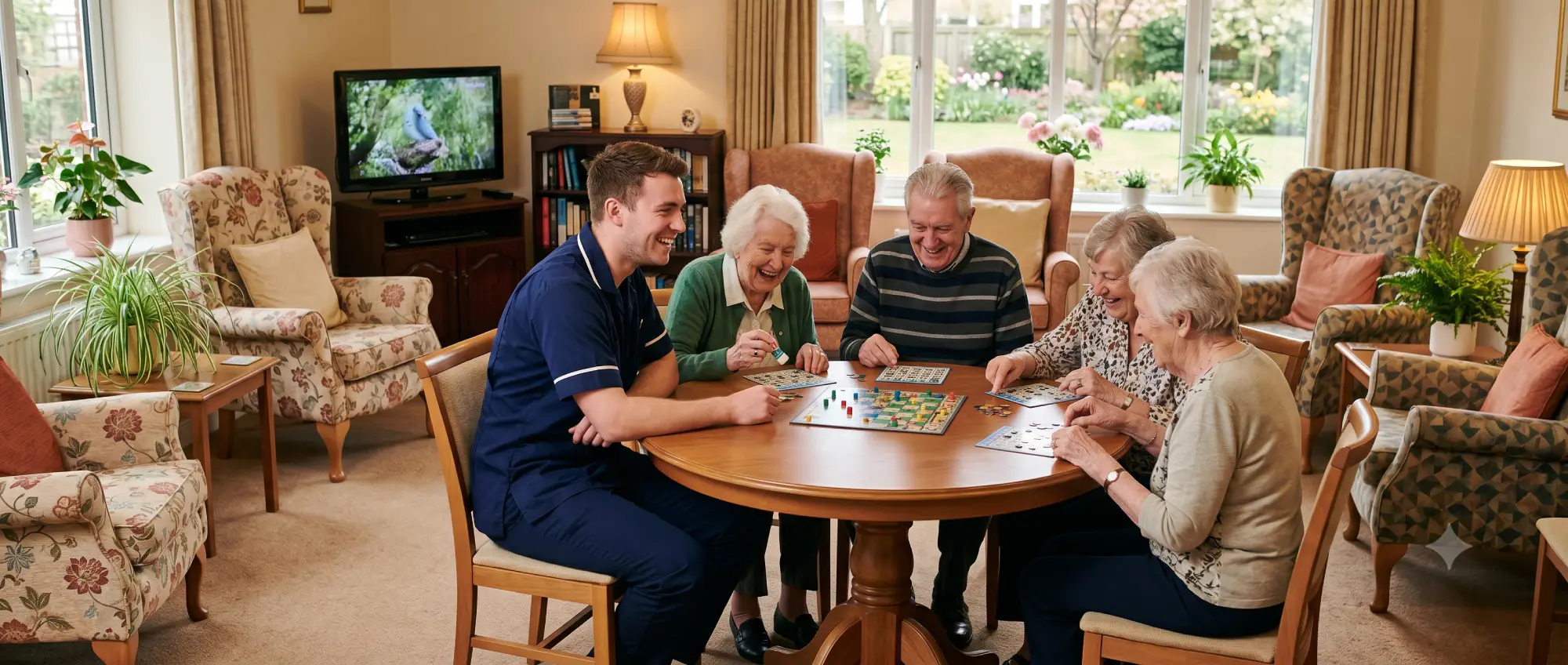
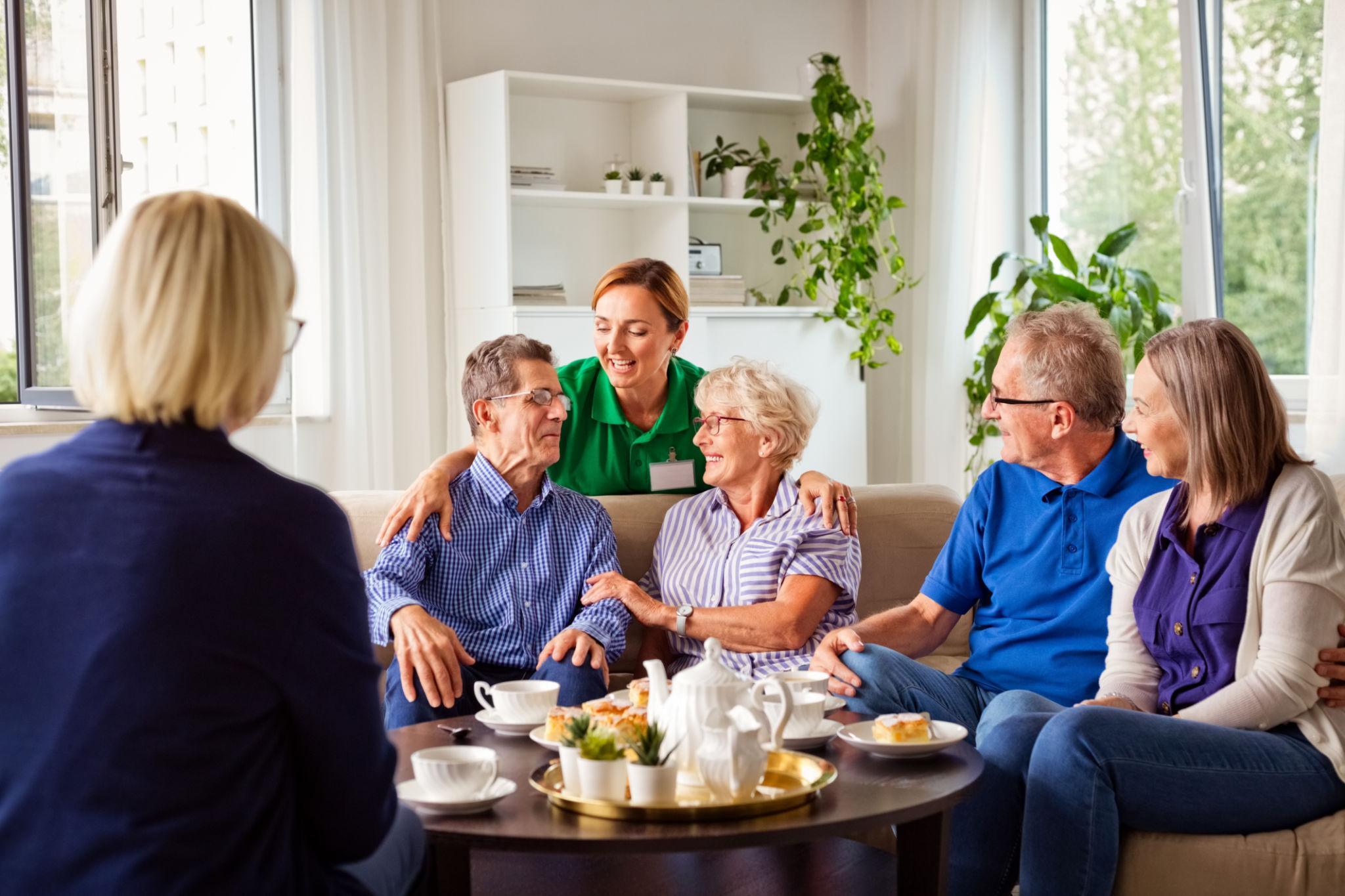
Social activities. Shared meals, games, celebrations and socialising provide connection. Social engagement is fundamental to mental health.
Purposeful tasks. Helping with activities (sorting, organizing, light tasks) provides sense of contribution and purpose.
Hobbies and interests. Supporting residents’ existing hobbies and interests maintains continuity with their previous lives.
Volunteer opportunities. When able, residents might volunteer or help others. Giving back provides purpose and meaning.
The variety of activities ensures residents can engage according to their interests and abilities. Someone who loves music participates in singing. Someone who loves gardening participates in gardening activities. Someone who loves social interaction joins group activities.
Managing Declining Abilities
As residents age or abilities decline, maintaining independence requires adaptation rather than elimination.
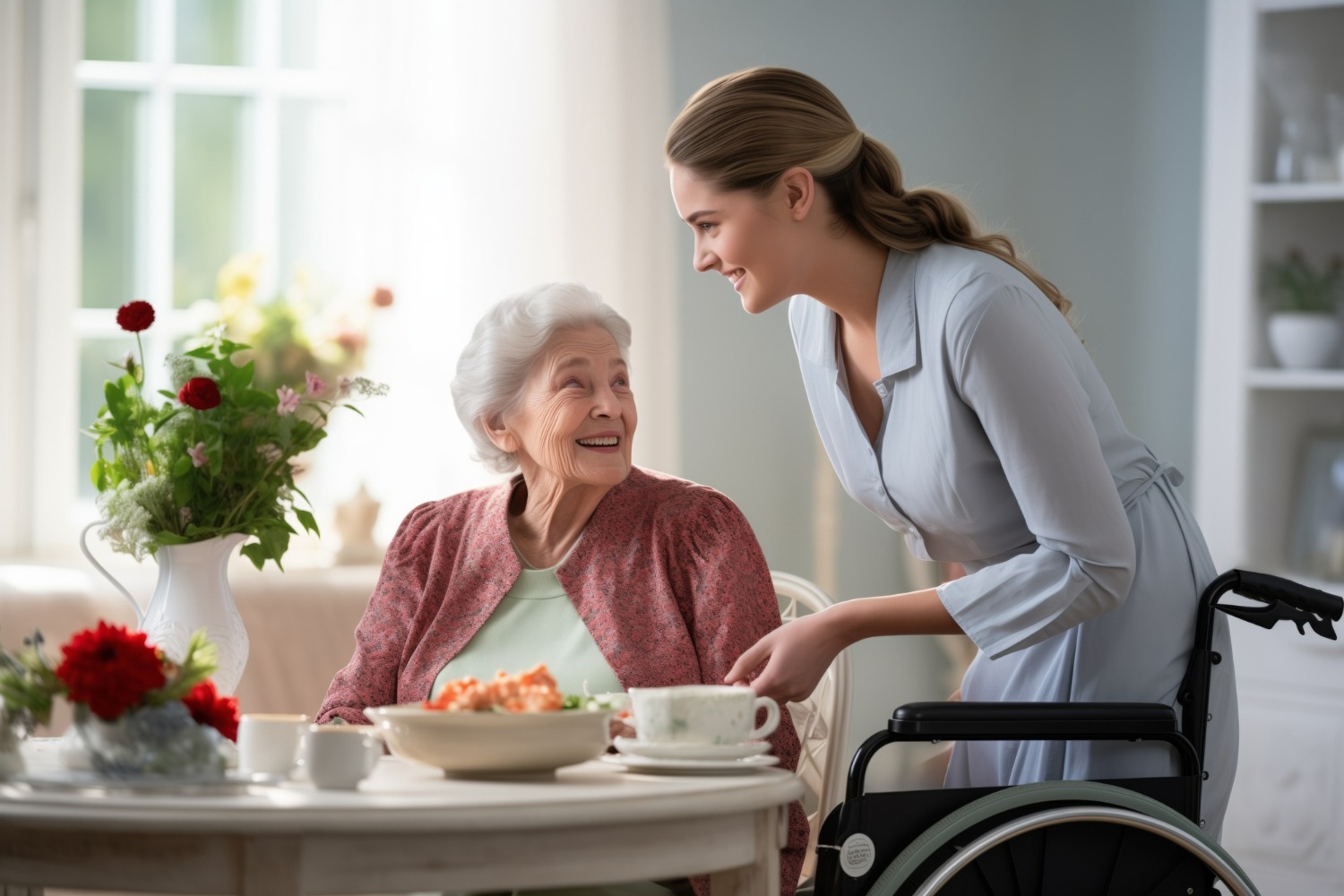
Someone who can no longer walk unassisted might use a walker or wheelchair, enabling continued mobility. Someone with memory loss might need reminders but can still make choices. Someone with tremors might need adaptive utensils but can still feed themselves.
Quality care homes adapt support as abilities change, maintaining independence at whatever level is possible rather than removing opportunities when abilities decline.
This requires staff understanding that independence isn’t all-or-nothing. Partial independence, adapted independence and supported independence all count. The goal is maintaining maximum possible independence at each stage.
Supporting Independence as a Family
Families support independence through several approaches.
Encourage participation. Suggest your loved one join activities. Attend activities together when possible. Encourage them to try new activities.
Bring favourite hobbies. If your loved one knitted, bring supplies. If they painted, provide materials. Continue meaningful activities.
Respect their choices. Don’t override their decisions. Support their autonomy even when you might choose differently.
Communicate with staff. Tell staff about your loved one’s interests, abilities and preferences. Help staff understand what independence looks like for this specific person.
Celebrate maintained abilities. Notice and praise what they can still do rather than focusing on what’s lost. Positive reinforcement encourages continued effort.
Advocate for engagement. If staff seem to be doing too much for your loved one, respectfully discuss encouraging more independence.
Continue meaningful activities. Bring books for the reader, music for the music lover, puzzles for the puzzle enthusiast. Continue threads of their previous life.
Adapting to Physical Changes
Physical changes require practical adaptations supporting continued independence.
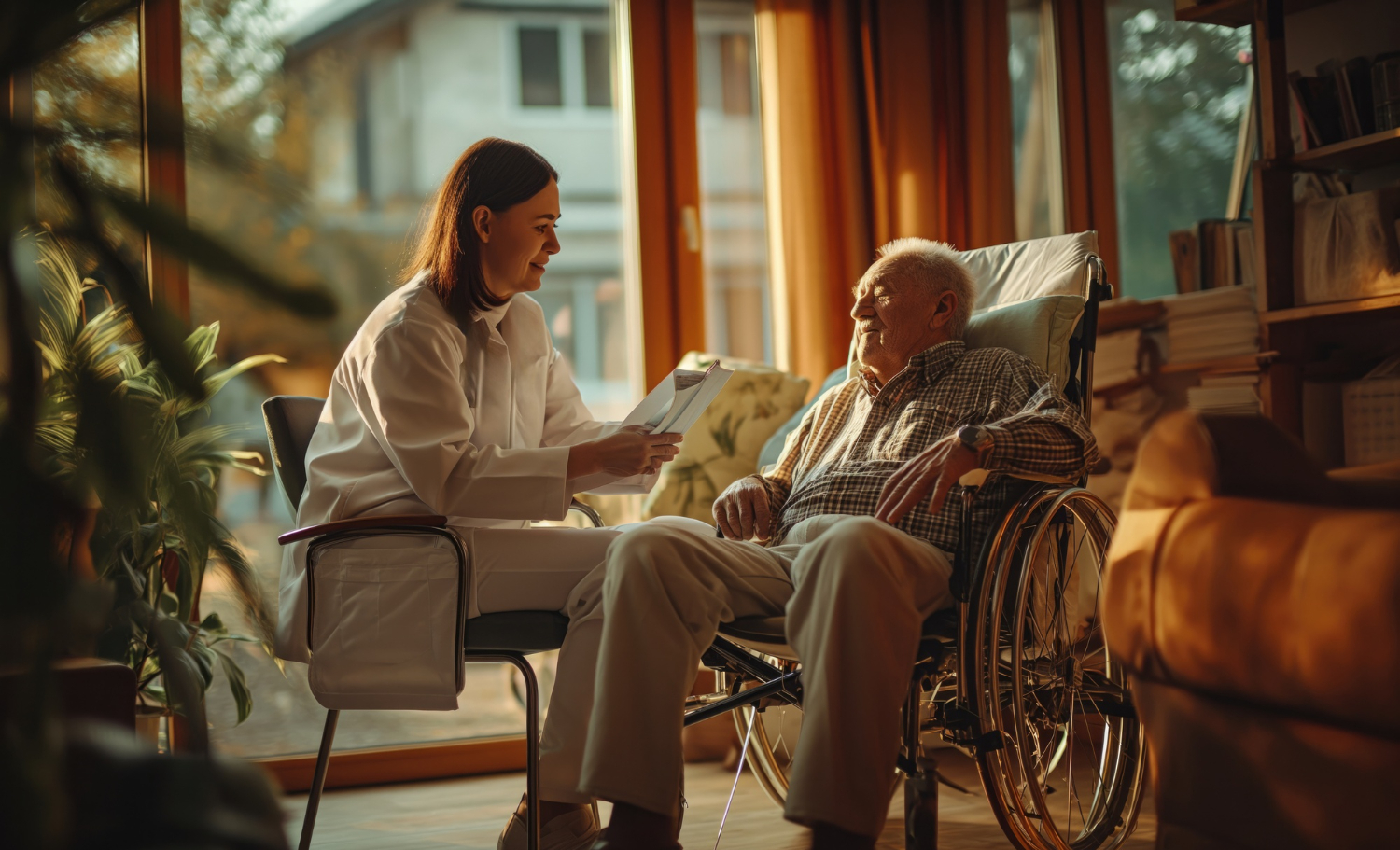
Mobility aids. Walkers, canes, wheelchairs and grab bars enable independence despite reduced mobility.
Adaptive equipment. Utensils with larger handles, button hooks, reaching aids and other adaptive equipment enable independent self-care despite reduced dexterity.
Environmental modifications. Handrails, improved lighting, accessible bathrooms and other environmental changes support safe independence.
Technology. Medication reminders, emergency call systems and other technology support independence while ensuring safety.
Assistance timing. Rather than constant assistance, strategic assistance at key moments enables independence. Help getting out of bed, then let them walk to bathroom independently.
Practical adaptations and technology often enable greater independence than complete staff takeover.
Frequently Asked Questions
What if my loved one can’t do things safely independently?
Safety is important but shouldn’t eliminate all independence. Assess actual risk. Perhaps they need supervision rather than assistance. Perhaps they can do it with adaptive equipment. Perhaps they can do parts independently. Find the balance between safety and independence.
What if my loved one refuses activities?
Gentle encouragement helps but respect their choice. Not everyone loves activities. Some prefer quiet time. Offer opportunities but respect preferences.
Can residents maintain hobbies in care homes?
Yes. Quality care homes support hobbies. Bring supplies, materials or equipment. Work with staff to enable your loved one’s interests.
What if abilities decline?
Adapt support to current abilities. As abilities change, modify activities and support accordingly. Maintain independence at whatever level is possible.
How do I know if a care home supports independence?
Observe residents. Are they active and engaged or passive and isolated? Ask staff about independence philosophy. Visit during activity times. Watch how staff interact with residents.
Should my loved one do things if they’re slow or need help?
Yes. Doing things slowly or with help is far better than not doing them at all. Independence includes supported independence.
Quality of Life Through Independence
Independence, engagement and meaningful activity directly improve quality of life. Residents who maintain abilities, make choices and stay engaged experience better mental and physical health. They’re happier. They maintain dignity.
The best care homes recognise this. They support independence intentionally, adapt as abilities change and encourage engagement aligned with residents’ interests and values.
For families, supporting independence means encouraging participation, respecting choices and celebrating maintained abilities. Together, families and care homes can help residents maintain independence and quality of life.
Ready to explore a care home prioritising independence and engagement? Contact JT Care Homes today. Our person-centred approach maintains independence, encourages engagement and supports quality of life.