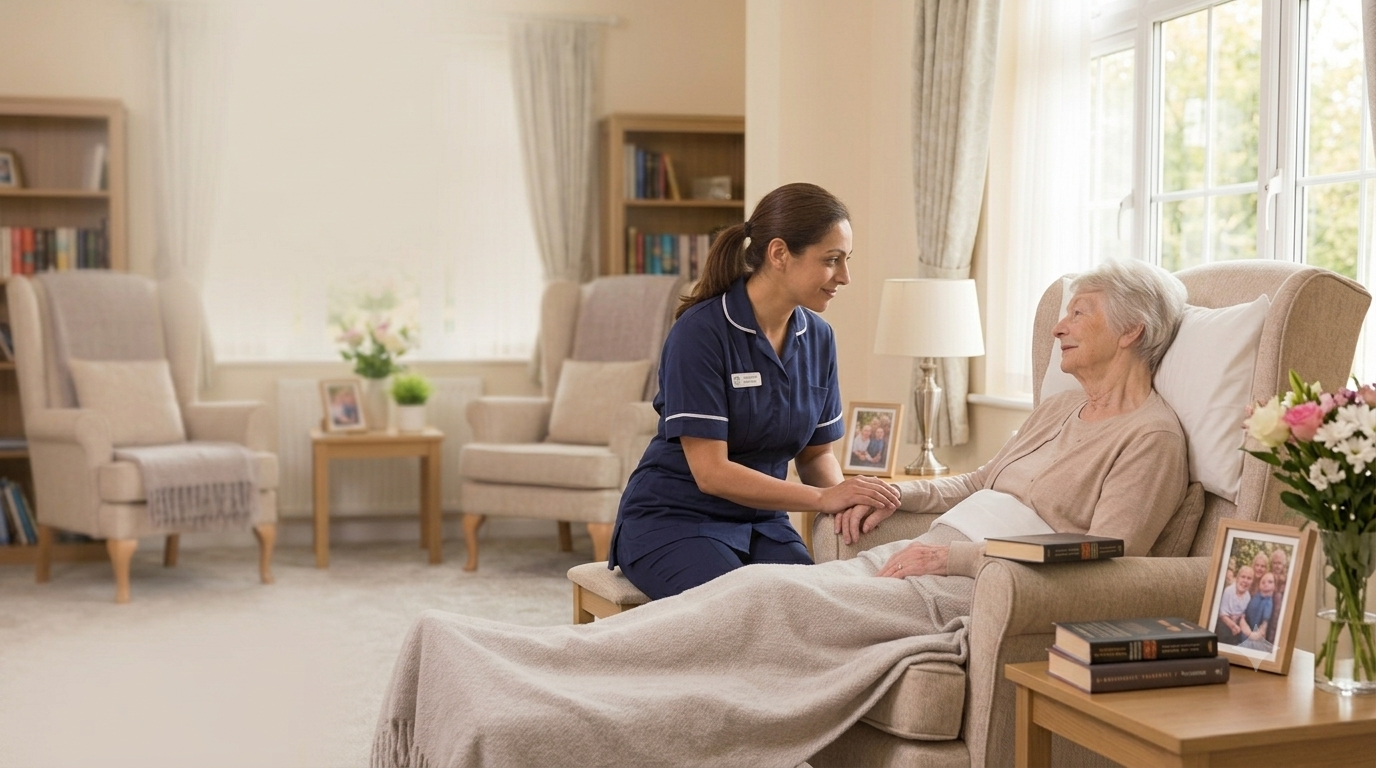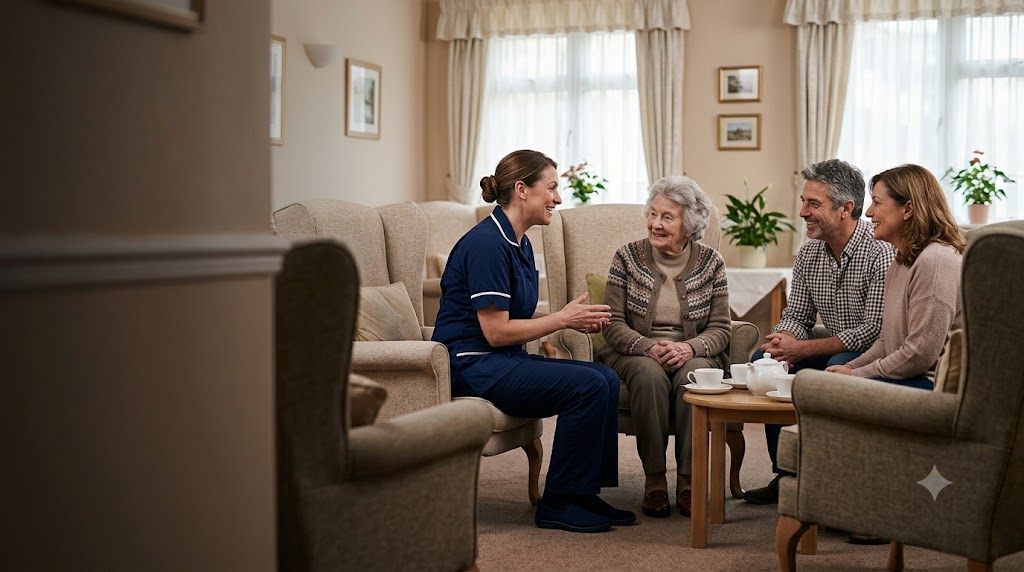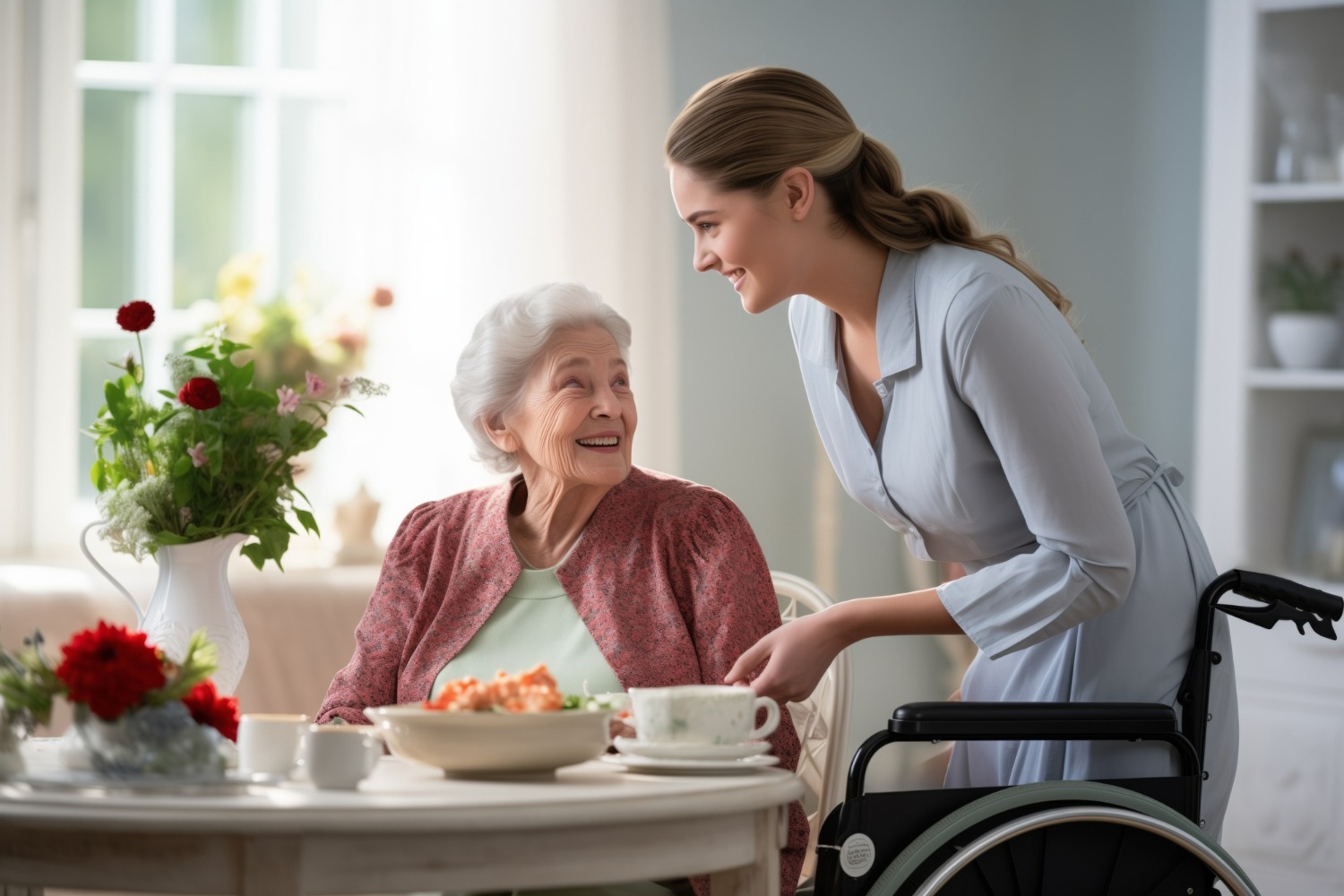
Moving to a care home is one of life’s significant transitions. For your loved one, it represents change, leaving behind familiar surroundings, routines and perhaps independence they’ve valued for decades. For families, it often brings mixed emotions: relief that professional support is now available, guilt about the move, and uncertainty about how your loved one will adapt.
Yet transitions don’t have to be traumatic. With thoughtful planning, honest communication and genuine support, moving to a care home can mark the beginning of a new chapter where your loved one receives the care they need while maintaining their dignity, identity and quality of life.
This guide walks you through the transition process, from the decision-making stage through to settling in, helping you support your loved one through this significant change.
Why the Transition Matters
How someone transitions into a care home sets the tone for their entire experience there. A rushed, poorly managed move can leave residents feeling displaced, anxious and resentful. A thoughtful transition, where preferences are respected, familiarity is preserved and the person feels involved in decisions, helps residents settle, build relationships with staff and feel genuinely at home.
The transition period typically lasts several weeks to a few months. During this time, your loved one is adjusting to new staff, new routines, new surroundings and new relationships. Supporting them through this adjustment meaningfully impacts their wellbeing and long-term happiness in the care home.
Starting the Conversation
Many families delay conversations about care home moves until crisis forces the issue. Starting earlier, when your loved one can be involved in decisions, transforms the experience.
Have the conversation early. When your loved one still has capacity to participate in decisions, discuss their care needs and preferences. What support do they need? What worries them? What matters most to them?
Listen more than you talk. Your loved one may have fears, resistance or preferences you haven’t anticipated. Creating space for them to express these honestly helps address real concerns rather than assumed ones.
Involve them in the decision. Even if your loved one has limited capacity, involving them in selecting a care home, visiting facilities, meeting staff, seeing their potential room, creates investment in the move. They’re not being sent away; they’re choosing where to go.
Be honest about why. Whether it’s increasing care needs, safety concerns or social isolation, being honest about why a move is needed is more respectful than vague explanations. Your loved one deserves to understand the reasoning.
Validate emotions. Moving is emotional. Your loved one may feel sad, frightened, angry or a combination. Acknowledging these feelings without dismissing them shows respect and builds trust.
Choosing the Right Care Home
The care home you choose profoundly impacts the transition experience. A home that prioritizes person-centred care, maintains consistent staffing and genuinely welcomes families creates an environment where transitions go more smoothly.
Look for homes that:
Prioritize continuity of care. Consistent staff members who get to know residents build relationships and understanding that eases transitions. Staff turnover creates instability exactly when stability matters most.
Welcome family involvement. Care homes that encourage family contact, involve families in care planning and maintain open communication support better transitions. You remain an active part of your loved one’s life.
Respect individuality. Good care homes recognize each resident is unique. They ask about preferences, routines and what matters to your loved one, then incorporate these into daily life.
Offer transition support. Some care homes explicitly support transitions with trial visits, gradual settling-in processes and staff dedicated to helping new residents adjust.
Feel like home. The physical environment matters. Does it feel warm and welcoming or clinical and institutional? Can residents personalize their rooms? Are there gardens, communal spaces and activities?
At JT Care Homes, our person-centred care approach means every resident’s transition is individually supported. We understand that settling into a new home takes time, and we’re committed to making that process as smooth and dignified as possible.
Preparing Your Loved One for the Move
Once you’ve chosen a care home, deliberate preparation helps your loved one feel more confident and less anxious about the move.
Visit together. Take your loved one to visit the care home multiple times. Meet staff members who will care for them. See the communal areas, gardens and activities. Familiarity reduces anxiety.
Show them their room. Many care homes allow you to view the room your loved one will occupy. If possible, involve your loved one in simple decisions like furniture placement or colour preferences for the walls.
Read materials together. Review the care home’s information, daily routines and activities with your loved one. Knowing what to expect reduces fear of the unknown.
Discuss practical details. Explain how the day is structured, when meals are served, how to access staff support, visiting hours for family and friends. Concrete information is reassuring.
Acknowledge the transition. Talk openly about the move. It’s a change, and that’s okay. Your loved one might feel nervous or sad, and that’s valid. But emphasize that staff are trained to support them and that you’ll remain involved in their life.
Share positive aspects. Highlight benefits, social activities, professional care, reduced isolation, opportunities to build new friendships. Help your loved one see this as a new beginning, not an ending.
Managing the Practical Move
The logistics of moving deserve attention. A well-organized move reduces stress for everyone.
Pack thoughtfully. Include familiar items: photographs, favourite books, preferred clothing, cherished possessions. These connect your loved one to their identity and past life.
Personalize the room. Once your loved one arrives, immediately personalize their room with familiar items. Hang photographs, arrange furniture to their preference, display meaningful objects. A personalized space feels more like home.
Maintain routines. Where possible, preserve important routines. If your loved one always reads the newspaper over breakfast or takes a walk after lunch, work with care home staff to maintain these routines.
Document preferences. Share detailed information about your loved one’s preferences, routines, likes and dislikes with care staff. A preference for tea over coffee, dislike of certain foods, or need for a nightlight, these details help staff understand your loved one as a person.
Plan frequent visits early on. In the first weeks, regular family visits provide enormous comfort and help your loved one see that you haven’t abandoned them. As they settle, you can naturally adjust visiting frequency.
Supporting Emotional Adjustment
The emotional adjustment to care home life is as important as the practical one.
Expect adjustment challenges. Your loved one might initially struggle. They might ask to leave, express sadness or cling to familiar family members. These responses are normal. Patience and consistency help.
Validate their feelings. If your loved one is struggling, acknowledging their feelings matters more than trying to fix them. “I know this is hard for you. This is a big change. We’re here, and we’ll support you through it.”
Build relationships with staff. When your loved one feels genuinely known and cared for by staff, not just managed by them, adjustment accelerates. Encourage staff to spend time getting to know your loved one’s history, interests and personality.
Support social connection. Loneliness complicates adjustment. Encourage your loved one to participate in activities, make new friendships and remain connected to existing relationships. These connections are vital to wellbeing.
Be patient with regression. Sometimes older people moving to care homes experience temporary cognitive or emotional regression. This usually improves as they adjust. Patience and consistency help.
Celebrate small milestones. When your loved one makes a new friend, participates in an activity or expresses satisfaction with something at the home, celebrate it. These moments build confidence and investment in their new environment.
Maintaining Family Relationships
Your role changes when your loved one moves to a care home, but your importance in their life doesn’t diminish. You remain a crucial source of love, familiarity and connection.
Visit consistently. Regular, predictable visits provide security and something to look forward to. Your presence matters profoundly.
Do things together. Visits don’t need to centre on your loved one’s care. Go for a walk, share a meal, look through old photographs, watch their favourite programme together. Maintain your relationship.
Communicate with care staff. Stay informed about your loved one’s adjustment, any concerns and daily life. Open communication between family and staff ensures consistent, coordinated support.
Remain involved in decisions. Continue to participate in care planning meetings, health decisions and activities involving your loved one.
Give space for new relationships. As your loved one builds relationships with staff and other residents, celebrate these connections. They enrich their life without diminishing their relationship with you.
Our activities and wellbeing programme creates meaningful opportunities for residents to build connections and engage in purposeful activity, supporting positive adjustment.
Managing Your Own Emotions
Families often overlook their own emotional response to their loved one moving to a care home. This transition affects you too.
You might feel guilt, guilt that you couldn’t provide care yourself, guilt about the move itself. You might feel relief, which then triggers guilt about feeling relief. You might feel sadness or loss. All of these feelings are valid.
Accept the complexity of emotions. Feeling multiple, seemingly contradictory emotions simultaneously is normal. Relief and sadness can coexist.
Connect with others. Talk to family, friends or a counsellor about your feelings. Many care homes can connect you with support services.
Adjust your expectations. Your relationship with your loved one is changing, not ending. Adjusting expectations about your role helps you find new, meaningful ways to remain involved.
Practice self-care. Your wellbeing matters. Taking care of yourself enables you to better support your loved one.
Frequently Asked Questions
How long does adjustment typically take?
Every person is different. Some adjust within weeks, others need several months. Consistency, patience and genuine care from staff accelerates adjustment.
What if my loved one refuses to move?
This is challenging. Focus on understanding their specific fears. Is it the move itself, loss of independence, or something else? Addressing specific concerns often helps. Professional support from your GP or social worker can also help.
Can I take my loved one home on visits?
Most care homes allow visiting and short trips home. Discuss this with the care home. Regular visits home can support adjustment, though some people find re-entry difficult. Work with staff to find what works best.
What if my loved one isn’t settling?
Share concerns with care home staff. Sometimes small adjustments, changes to room furniture, different activity involvement, or additional staff support, help. If genuine problems persist, discuss whether the placement is right.
How often should I visit?
There’s no fixed answer. Early visits can be more frequent; adjust as your loved one settles. Quality matters more than quantity. Consistent, meaningful visits matter more than frequent, rushed ones.
Should I bring my loved one gifts?
Thoughtful gifts can be wonderful, their favourite foods, books, clothing they prefer. However, care home staff should guide you on what’s appropriate and helpful.
Transitioning With Compassion
Transitioning to a care home is a significant change, but it doesn’t have to be traumatic. With thoughtful planning, honest communication, genuine family involvement and compassionate care from staff, it can mark the beginning of a positive new chapter.
At JT Care Homes, we’re experienced in supporting residents through transitions. We understand that your loved one isn’t just a new resident arriving; they’re a person with a lifetime of experiences, preferences and relationships. Our family-run approach and person-centred philosophy mean we support not just the practical move, but the emotional and social adjustment that transforms a house into a genuine home.
If you’d like to discuss how we support residents and families through transitions, or have questions about settling your loved one into care, contact us today. We’re here to help make this significant transition as smooth and positive as possible.