You’re evaluating care homes for your loved one. You notice some advertise 80, 100, even 150 residents. Others, like JT Care Homes, operate small homes with 24 residents maximum.
Which is better? Does size actually matter?
Size matters profoundly. It’s not merely preference. It fundamentally affects quality of care, safety, dignity and wellbeing. Larger facilities prioritise efficiency and cost management. Smaller homes prioritise people and relationships.
This guide explains why care home size matters, how it affects residents and families, and why small homes often deliver superior outcomes despite operating at different economics than large facilities.
The Fundamental Difference
The difference between large and small care homes isn’t superficial. It reflects fundamentally different approaches to care.
Large care homes (80+ residents). Operate like institutions. Staff manage residents in shifts across multiple units. Individual residents are necessarily processed through systems. Efficiency is prioritised. Care is standardised. Staff don’t know residents deeply.
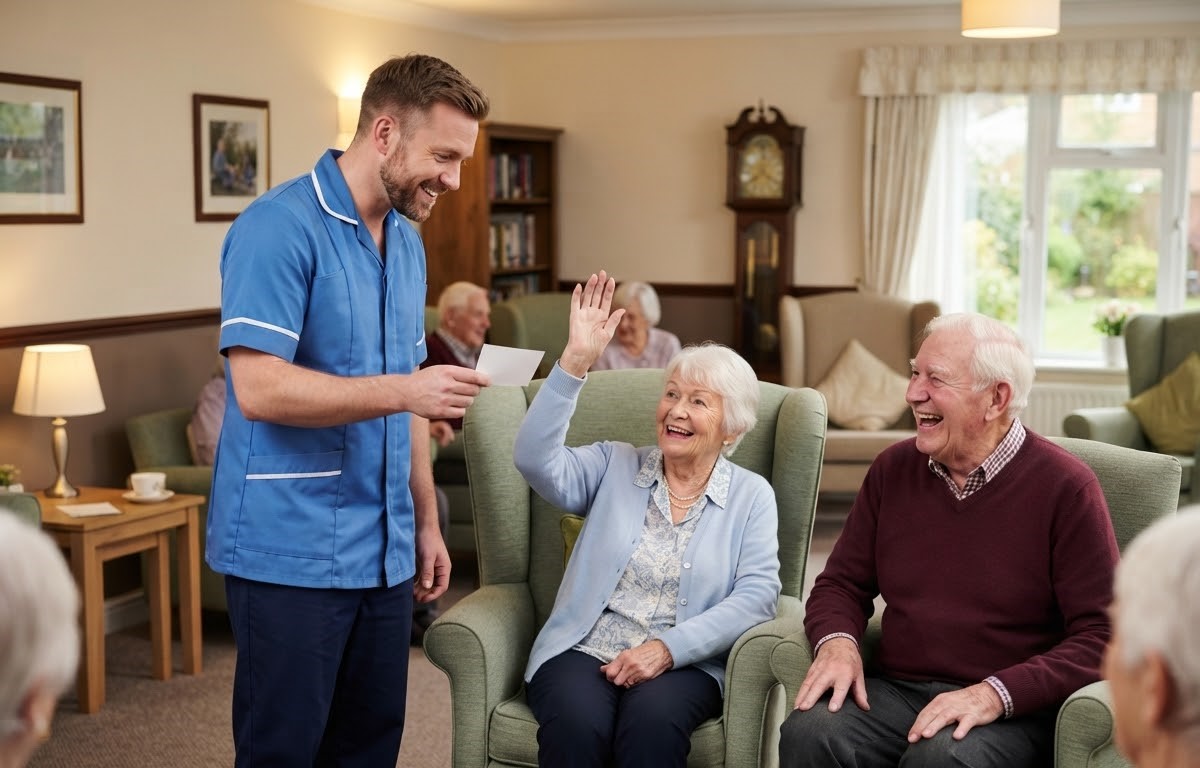
Small care homes (20-30 residents). Operate like communities. Staff consistency is high. Residents are known deeply. Care is personalised. Relationships are genuine. Efficiency is secondary to person-centred support.
Neither approach is evil. Large homes serve important purpose and many people have positive experiences. But the fundamental difference affects everything: quality of relationships, safety outcomes, dignity and wellbeing.
How Size Affects Staffing
Staffing patterns reflect size differences directly.
Large homes. High staff turnover because managing 100+ residents requires many staff working shifts. Individual staff interact with residents briefly before moving to next task. Building relationships becomes difficult. Residents see unfamiliar faces regularly.
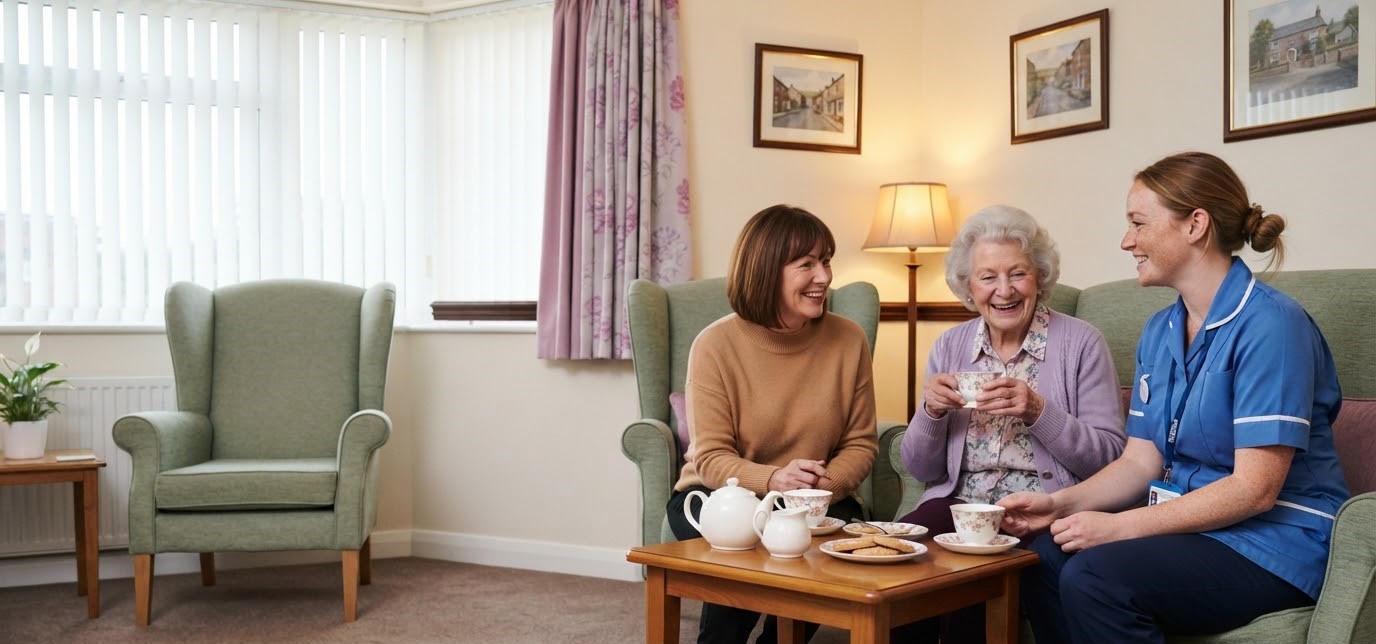
Small homes. Low staff turnover because smaller team creates real workplace community. Consistent staff work regularly with same residents. Staff know residents individually: their history, preferences, triggers, relationships. This familiarity enables person-centred care.
At JT Care Homes, our small team across three homes creates stability. Many staff have worked here for years. Residents aren’t cared for by strangers. They’re supported by people who genuinely know them.
This consistency affects everything: medication safety (staff know normal baseline), fall prevention (staff recognise risk factors), mental health (familiar faces reduce anxiety), and genuine person-centred care.
How Size Affects Safety
Counterintuitively, smaller size often means better safety outcomes.
Large homes. High resident-to-staff ratios mean less individual observation. Falls go unnoticed until serious. Medication errors increase with complexity. Communication between staff suffers. Safety systems become bureaucratic rather than personal.
Small homes. Low resident-to-staff ratios enable genuine observation. Staff notice changes immediately. Falls are prevented through familiar knowledge of individual risks. Medication management is personally careful, not just systematised. Communication is direct and personal.
Research shows smaller care homes generally have better safety records than larger institutional facilities. Familiarity and direct observation prevent more incidents than protocols and systems alone.
How Size Affects Dignity and Autonomy
Dignity depends on being known, respected and treated as individual.
Large homes. Residents are processed through systems. “Mrs. Smith in bed 3” rather than “Margaret who loves gardening and needs reminders about medications but fiercely values independence.” Individual preferences matter less than system efficiency.
Small homes. Residents are known deeply. Staff understand individual preferences, values, triggers and needs. Care is adapted to the person. Dignity is protected through genuine relationship and understanding.
This manifests in small ways daily. Does staff respect your preference about bathing time, or do they follow institutional schedule? Do they encourage independence even when assistance would be faster, or do they take over for efficiency? Do they remember you love music and arrange activities around your interests?
Small homes get these details right because staff have capacity to know and respond to individuals. Large homes struggle because efficiency demands override personalisation.
How Size Affects Community and Connection
Humans thrive in community. Isolation damages health and wellbeing.
Large homes. Hundreds of residents create anonymity. Genuine community doesn’t develop. Residents sit in common areas with strangers. Social connection isn’t naturally facilitated. Loneliness is common.
Small homes. 24 residents create genuine community. Everyone knows everyone. Friendships develop naturally. Staff facilitate connection. Community feeling is palpable. Residents thrive socially.
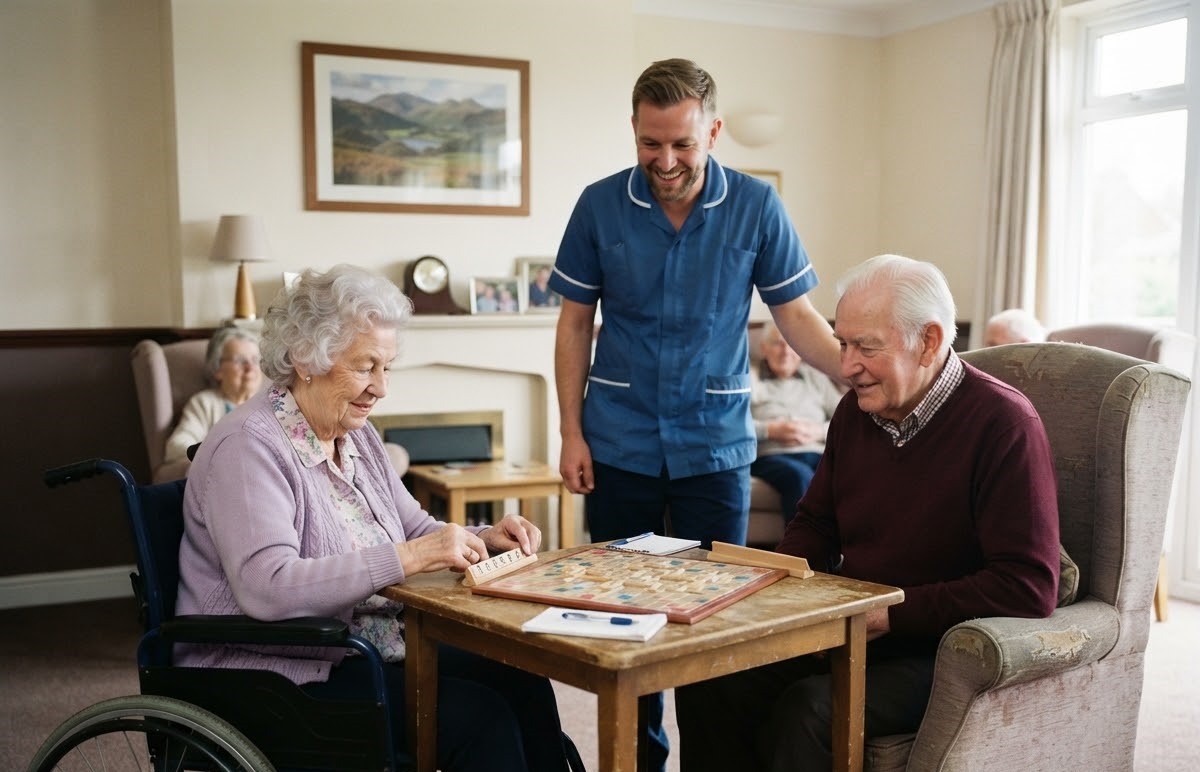
Our activities and wellbeing programmes work differently in small homes. Activities create genuine shared experience, not just programming. Residents attend activities with friends they’ve made. Staff know which activities suit which residents and can encourage specific people to connect.
How Size Affects Individual Care Planning
Care quality depends on understanding individual needs and preferences.
Large homes. Care plans are generic templates adapted minimally for individuals. Staff providing care haven’t participated in planning. Individual preferences are noted but not deeply understood or implemented.
Small homes. Care plans reflect deep knowledge of individual. Staff providing care know the person and understand nuances. Plans are genuinely individual. Preferences are priorities.
This difference is significant. Someone in large home might have “likes quiet” noted but be placed in noisy common area anyway. Someone in small home with same preference is respected because staff know why quiet matters to them and actively protect it.
How Size Affects Financial Sustainability
Interestingly, small homes often sustain better than large because they’re not competing purely on cost.
Large homes. Must maintain economies of scale. Compete on lowest cost. This creates pressure to cut corners, reduce staff, standardise care to minimum viable level.
Small homes. Can’t compete on cost. Must compete on quality. This creates sustainable business model based on genuine quality rather than cost-cutting race to bottom.
JT Care Homes has sustained since 1984 through quality and reputation, not through institutional scale. Family ownership means decisions are made for residents’ benefit, not shareholder profit.
How Size Affects Family Involvement
Family involvement matters for resident wellbeing. Size affects whether family is welcomed or treated as complication.
Large homes. Family involvement creates operational challenges. Policies often restrict visiting, limit input on care decisions. Family is tolerated, not genuinely welcomed.
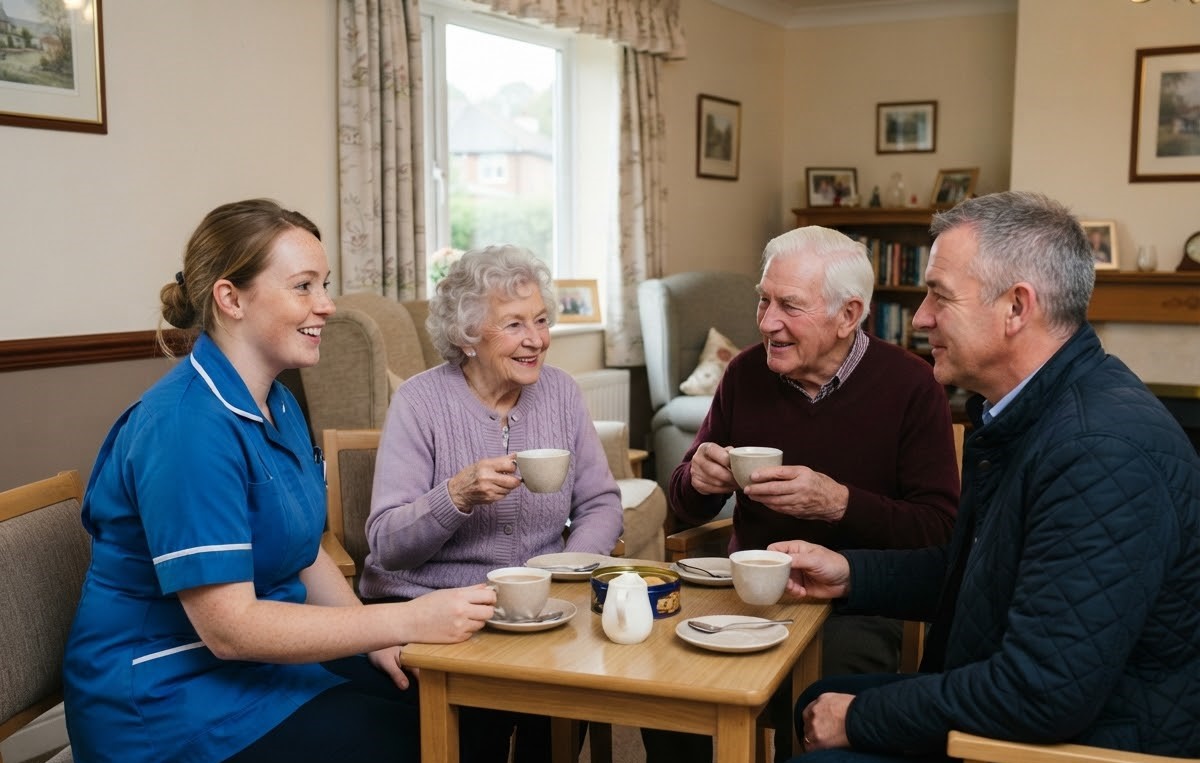
Small homes. Family involvement is expected and welcomed. Staff know families. Communication is personal. Families feel genuinely involved in their loved one’s care. Policies facilitate rather than restrict family involvement.
Choosing Between Large and Small
Both have legitimate roles. But understanding differences helps you choose what actually matters to your loved one.
Choose large if: Cost is absolute limiting factor. Your loved one thrives in bustling environment. You want clinical care without relationship focus.
Choose small if: Quality of life matters more than cost. Your loved one values intimate relationships. You want personal care adapted to individual preferences. You want genuine community not just services.
For most families, small care homes deliver better outcomes for wellbeing, safety and quality of life. The cost difference often reflects genuine quality difference rather than inefficiency.
At JT Care Homes
We’ve deliberately chosen small home model since 1984. Three homes across Fulwood. 24 residents maximum each. Consistent staff. Genuine community. Person-centred care that’s possible only at small scale.
This choice costs us economically. We can’t operate on margins large homes achieve. But it enables us to deliver care quality that justifies our existence. Residents genuinely thrive. Families feel confident. Staff genuinely care.
Visit our homes. Experience the difference small, family-run care delivers.
Frequently Asked Questions
Do small homes cost more?
Often yes. Small homes can’t achieve cost efficiency of large homes. But cost difference often reflects genuine quality difference. Value for money might be better in small home despite higher cost.
Aren’t large homes more efficient?
Efficient at processing residents. But efficiency and quality don’t always align. Small homes sacrifice some efficiency to prioritise quality and relationships.
Can small homes handle complex needs?
Yes, absolutely. Our residents have dementia, mobility challenges, complex medications. Small size doesn’t mean unable. It means able to manage these needs personally rather than systematically.
Do residents in small homes have fewer services?
No. We provide same services as large homes: allied health, activities, support coordination. What differs is how services are delivered: personally rather than institutionally.
What if a small home isn’t nearby?
Location matters. If small home isn’t accessible, large home nearby is better than small home far away. But if choice exists, small home is worth considering.
Are small homes actually better, or is this preference?
Research supports small homes deliver better outcomes on many measures: safety, wellbeing, dignity, social connection. This is evidence-based, not just preference.
Size Matters More Than You Think
Care home size isn’t aesthetic choice. It determines how your loved one experiences daily life, whether they build genuine friendships, whether they’re known as individual or processed as resident number.
The choice between large institutional efficiency and small community quality reflects fundamentally different values about care and people.
For our residents and families, small community wins. Your loved one deserves more than efficient processing. They deserve genuine care, real relationships, and community.
Ready to experience the difference small, family-run care makes? Contact JT Care Homes today to visit one of our three homes and see for yourself.