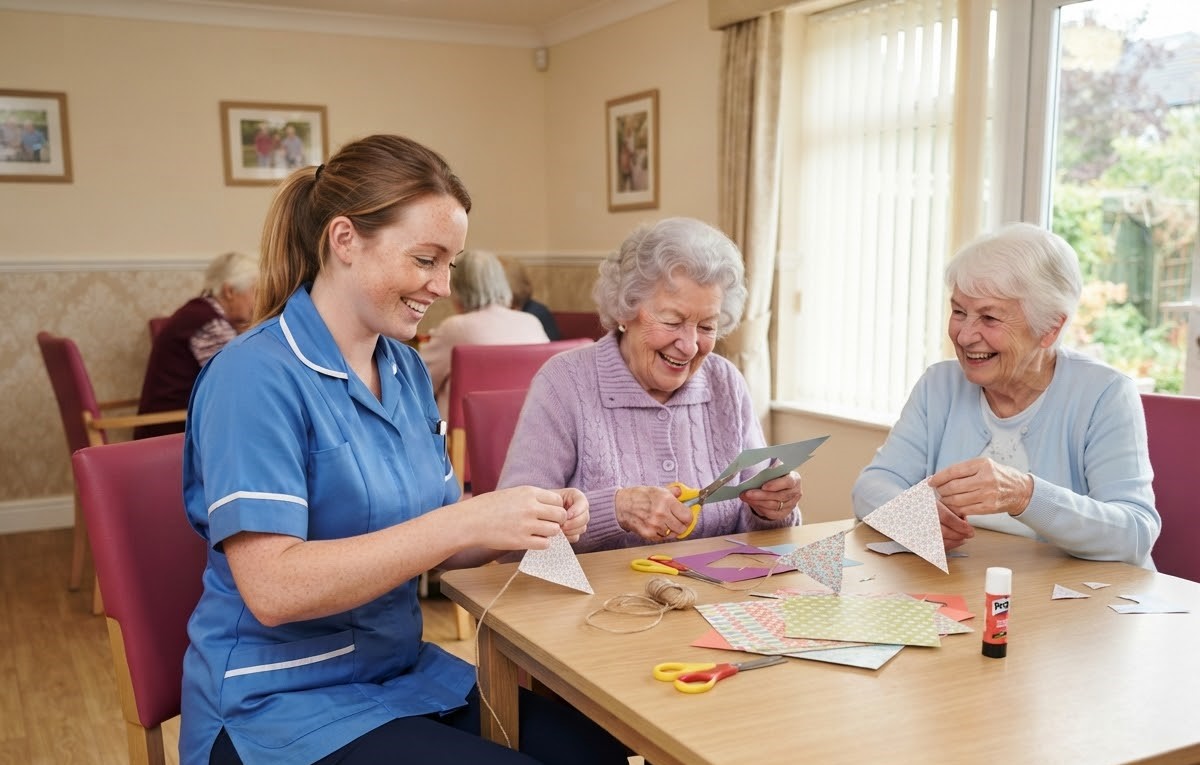
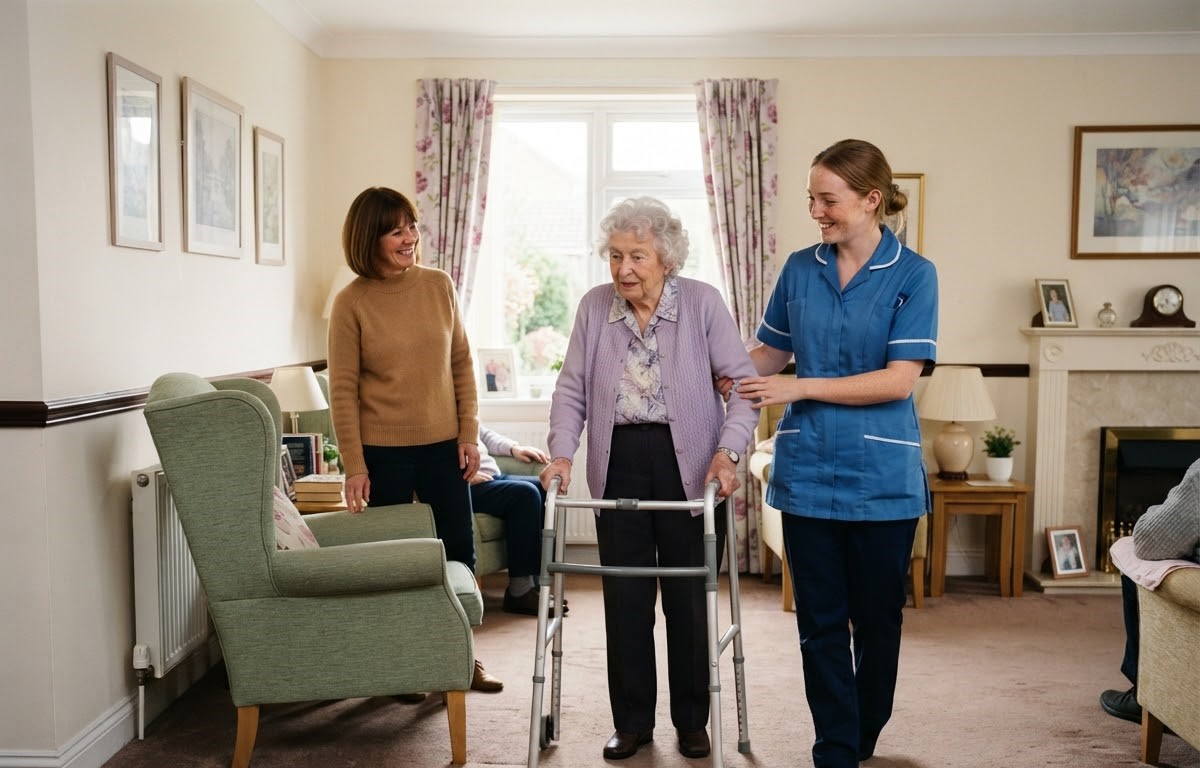
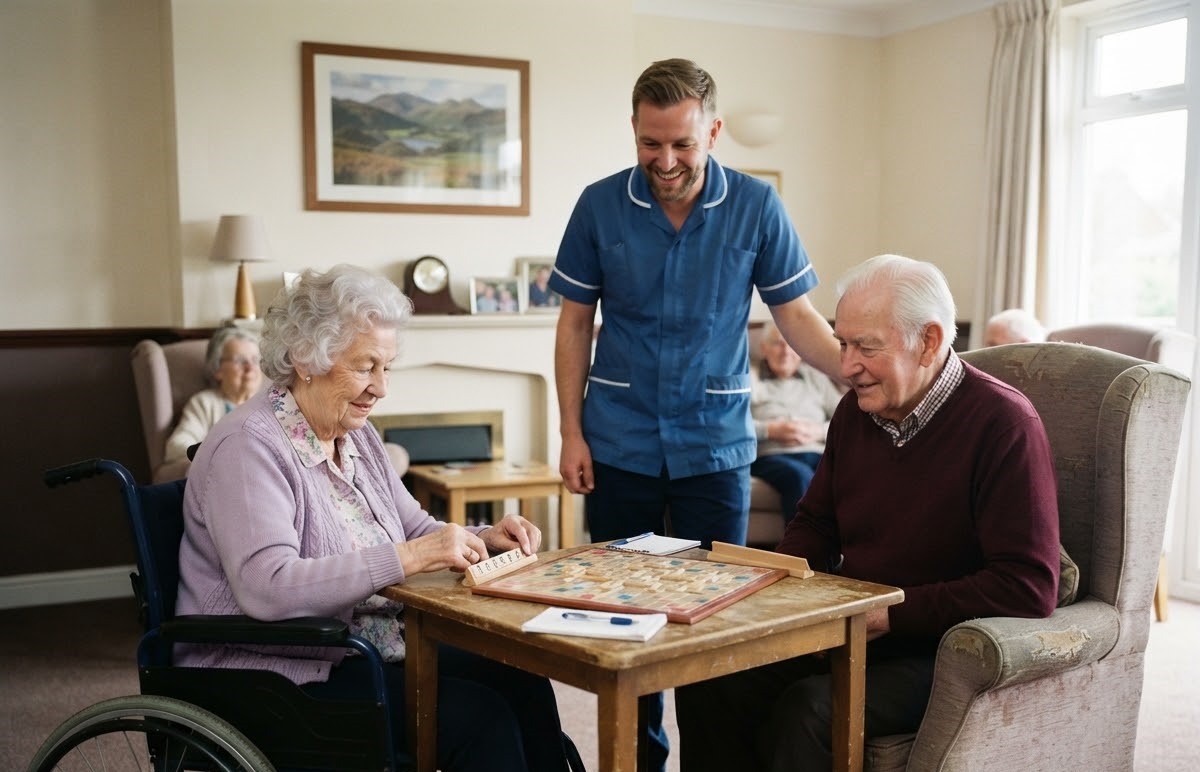
Your loved one moved to a care home. Now what? How do you stay informed about their day-to-day life? How do you maintain relationship? How do you ensure care is meeting their needs?
Communication is essential. When families and care homes communicate openly, residents thrive. When communication breaks down, concerns fester and problems escalate.
Yet many families feel uncertain about how to communicate with care homes. What should you ask about? How often should you contact staff? How do you raise concerns without being difficult? This guide explains effective communication strategies building strong partnerships between families and care homes.
Why Communication Matters
Open communication between families and care homes benefits everyone.
For residents. When staff know what families care about, care is more personalised. Families provide context about resident preferences and history. Together, staff and family understand resident more completely, enabling better care.
For families. Regular communication reduces worry. Knowing your loved one’s day helps you stay connected and involved. Understanding care decisions helps you trust staff.
For staff. Family input provides valuable information. Understanding what matters to residents helps staff provide person-centred care. Knowing family concerns helps staff address them proactively.
For quality. Good communication identifies problems early. Concerns can be addressed before escalating. Quality continuously improves through communication feedback.
When communication is strong, everyone benefits. When it’s weak, problems multiply.
Establishing Communication Patterns
Start communication well by establishing clear expectations.
Initial conversation. During care home tour and admission, discuss communication preferences. How often should you contact staff? Best times to call? How will you be informed of concerns or changes?
Designated contact. Identify one primary contact person: manager, care coordinator or specific staff member. This prevents confusion and ensures consistent communication.
Communication methods. Discuss available methods: phone calls, emails, secure messaging systems, in-person visits. Different situations may require different methods.
Response expectations. Clarify how quickly staff will respond to messages. Urgent concerns require immediate response. Non-urgent messages might take 24-48 hours.
Frequency. Discuss regular communication rhythm. Will you call weekly? Will staff contact you regularly? Special circumstances might require more frequent contact.
Clear expectations prevent misunderstandings and ensure communication happens consistently.
What to Ask About
Knowing what to ask helps you stay informed about your loved one’s wellbeing.
Daily wellbeing. How’s your loved one feeling? Energy level? Appetite? Sleep? Mood? These basics indicate overall status.
Activities and engagement. What activities did they attend? Who did they spend time with? Are they enjoying activities? Engagement indicates thriving.
Relationships. Are they forming friendships? How are staff interactions? Positive relationships indicate wellbeing.
Specific concerns. If your loved one has specific health conditions or challenges, ask about progress. How’s their mobility? Appetite? Memory? Specific concerns deserve focused conversation.
Medication and health. Any medication changes? Doctor visits? Health concerns? Health management is crucial.
Care plan and goals. How’s their person-centred care plan progressing? Are goals being addressed? Are there changes needed?
Quality of life. Beyond task management, how’s their quality of life? Happiness? Contentment? Purpose? These matter most.
Asking thoughtful questions shows genuine interest and gathers information helping you understand your loved one’s experience.
Regular Communication Rhythm
Establish regular communication keeping you informed between visits.
Weekly calls. A regular check-in call (same day, same time each week) creates predictable communication. This helps staff know to expect your call and be prepared to discuss your loved one.
Informal updates. Beyond scheduled calls, staff might text or email updates about activities, achievements or concerns.
Monthly reviews. Scheduled monthly conversations about care plans, progress toward goals and any concerns enable deeper discussion than quick weekly check-ins.
After-visit conversations. If you visit in person, staff might briefly debrief after your departure, noting how visit went and your loved one’s response.
Crisis communication. Any significant change, health concern or crisis warrants immediate communication regardless of regular schedule.
A predictable communication rhythm keeps you connected without feeling intrusive.
Raising Concerns Effectively
Eventually, concerns will arise. How you raise them affects outcomes.
Start with curiosity. Rather than accusation (“You’re not doing X”), begin with question (“I noticed Y, can you help me understand what’s happening?”). Curiosity invites explanation rather than defensiveness.
Specific, not general. “Staff don’t care” is too general. “My loved one seems withdrawn on Tuesday afternoons” is specific and addressable.
Assume good intent. Most care staff genuinely care about residents. Assume problems are unintentional oversights rather than neglect.
Documentation. If concerns persist, document specifics: dates, times, observations. Documentation prevents “I never said that” misunderstandings.
Escalate appropriately. Start with direct staff member. If unresolved, escalate to manager. If still unresolved, use care home complaints process.
Work collaboratively. Frame concerns as “How can we together improve this?” rather than “You’re failing.”
Follow up. After raising concern, follow up on whether it’s addressed. This shows you’re genuinely concerned and motivated to resolve issues.
Raised effectively, concerns become opportunities to improve care rather than sources of conflict.
Communication Technology
Modern care homes often use technology facilitating family communication.
Secure messaging apps. Some care homes use secure apps enabling direct messaging with staff about specific residents.
Photo/video sharing. Apps enable staff to share photos or videos of activities, helping families see what their loved one is doing.
Care coordination software. Some care homes use software allowing families to view care plans, activities and updates in real-time.
Video calls. Video calling enables face-to-face connection even when visiting in person isn’t possible.
Ask your care home what technology they use and how it facilitates communication.
Building Genuine Partnership
The best outcomes happen when families and care homes genuinely partner.
Respect expertise. Care home staff have expertise in eldercare. Respect their professional judgment while contributing your knowledge.
Share knowledge. Tell staff about your loved one’s history, preferences, triggers and values. Your knowledge completes staff understanding.
Acknowledge effort. Notice and thank staff for good care. Recognition motivates continued excellence.
Flexible expectations. Understand that care homes serve multiple residents with limited resources. Expectations should be realistic while quality remains priority.
Ongoing collaboration. Care and support evolve. Regular collaboration ensures response to changing needs.
At JT Care Homes, we view families as partners in care. Our support coordination services include regular communication with families. We encourage questions, feedback and involvement. Together, we ensure each resident receives person-centred care reflecting their unique needs and preferences.
Maintaining Connection Beyond Communication
Communication with care staff is important, but direct connection with your loved one matters most.
Regular visits. In-person visits maintain relationship. Your presence shows your loved one matters. Regular visits create predictability they can anticipate.
Phone calls. Direct calls to your loved one (not just staff) enable conversation and connection.
Letters and cards. Handwritten cards or letters create keepsakes. Some residents treasure these even if memory loss means they don’t remember who sent them.
Participation in activities. Attending activities together maintains connection while participating in their current life.
Bringing family traditions. Sharing favorite foods, music, or traditions maintains connection to their previous life and identity.
Frequently Asked Questions
How often should I visit?
No single answer. Quality matters more than quantity. Regular consistent visits (weekly, bi-weekly) work better than sporadic long visits. What’s sustainable for you is right.
What if staff don’t respond to my calls?
Address directly and politely. “I’ve called three times with no response. Can we establish better communication?” If problem persists, escalate to manager.
Should I contact care home daily?
Unless there’s specific reason (health crisis, major change), daily contact might be excessive. Weekly communication typically maintains sufficient connection while respecting staff time.
What if I disagree with care decisions?
Express concerns respectfully. Ask to understand their reasoning. If significant disagreement exists, discuss with manager or seek clarification on decision-making processes.
How do I know if communication is good?
You feel informed about your loved one’s day-to-day life. Concerns are addressed promptly. Staff remember things you’ve told them. Your loved one seems content.
What if I don’t feel my concerns are taken seriously?
Address directly: “I feel my concerns aren’t being heard. How can we improve communication?” If unresolved, escalate or consider whether different care home might be better fit.
Communication Builds Trust
Strong communication between families and care homes builds trust that your loved one is genuinely cared for. When you feel informed, involved and heard, you can relax knowing your loved one is in good hands.
The best care homes actively facilitate communication. They welcome questions, respond promptly and genuinely partner with families.
Ready to experience genuine partnership communication at JT Care Homes? Contact us today. We’ll explain our communication approach and how we keep families connected to their loved ones.