Your loved one with dementia is becoming aggressive. They’re accusing staff of theft. They’re refusing to shower. They’re wandering at night. You’re distressed. Care home staff seem frustrated.
Dementia behaviours perplex families. They seem irrational, frustrating, sometimes heartbreaking. Yet these behaviours aren’t random. They’re communication. They’re response to fear, confusion or unmet needs.
Understanding what dementia behaviours actually mean and how to respond effectively transforms how families and care staff support residents. This guide explains dementia behaviours, what causes them and how quality care homes manage them with compassion and skill.
What Is Dementia Behaviour?
Dementia behaviour is often called “acting out” or “problem behaviour.” This language is misleading. These aren’t discipline problems. They’re symptoms of dementia.
As dementia progresses, it damages the brain. Memory fades. Reasoning deteriorates. Emotional regulation declines. Language abilities change. These brain changes create behaviours families and staff find challenging.
The crucial insight: behaviours make sense from the person’s perspective, even when they seem senseless to others. Understanding their internal experience helps you respond compassionately rather than reactively.
Common Dementia Behaviours
Several behaviours are typical in dementia.
Agitation and aggression. Residents become aggressive or agitated seemingly without cause. Often they’re frightened or confused. An unfamiliar bathroom or stranger (doctor, new staff member) can trigger aggression.
Accusations and suspicion. “You stole my money.” “This isn’t my home.” “You’re trying to poison me.” These accusations reflect paranoia from memory loss. They can’t remember where things are, so assume they’re stolen. They don’t recognise home, so believe they’re captive.
Repetitive questions or behaviour. Asking “when am I going home?” dozens daily. Repeatedly folding papers. Endlessly rearranging items. These repetitive patterns often emerge from anxiety or habit.
Refusal of care. Refusing to shower, eat or take medications. Often fear-based (“that water’s too hot,” “that food is poisoned”) or based on not understanding why care is happening.
Wandering. Walking aimlessly or trying to leave. Often they’re searching for someone from their past or trying to go “home” (often their childhood home they haven’t lived in 60 years).
Sundowning. Increased confusion, agitation and fear as day ends. Associated with darkness, fatigue and circadian rhythm changes.
Verbal outbursts or swearing. Sometimes out of character, sometimes reflecting suppressed feelings now unfiltered by dementia-damaged inhibition.
None of these behaviours are intentional misbehaviour. They’re symptoms of dementia.
Why Behaviours Happen
Understanding triggers helps prevent and respond to behaviours.
Fear and confusion. Not recognising home or people creates terrifying confusion. Unfamiliar surroundings trigger fear. Fear manifests as aggression or agitation.
Unmet needs. Hungry, uncomfortable or needing toilet creates agitation. Pain, constipation or infection increase behavioural symptoms.
Communication difficulty. When speech is impaired, frustration results. Can’t communicate needs creates agitation.
Overstimulation. Loud noise, crowded environments or multiple people talking simultaneously overwhelm. Confusion and agitation follow.
Memory loss. Forgetting current reality creates continuous confusion. Without memory, they’re essentially in unfamiliar environment constantly.
Sleep disruption. Poor sleep worsens all dementia symptoms. Sundowning reflects circadian rhythm disruption.
Medication side effects. Some medications worsen behaviours. Regular medication review is important.
Loss of control. Dementia means losing control over everything: body, mind, independence. Aggression sometimes represents desperate attempt to regain control.
Understanding these causes suggests preventative and responsive strategies.
How Quality Care Homes Manage Behaviours
Professional dementia care uses non-pharmaceutical approaches prioritising dignity.
Understanding individual. Staff learn each resident’s history, preferences and triggers. Understanding what calms them (music, particular staff member, specific activity) enables effective response.
Environmental modification. Calm, familiar environments reduce agitation. Consistent routines reduce confusion. Good lighting reduces fear. These environmental changes prevent many behaviours.
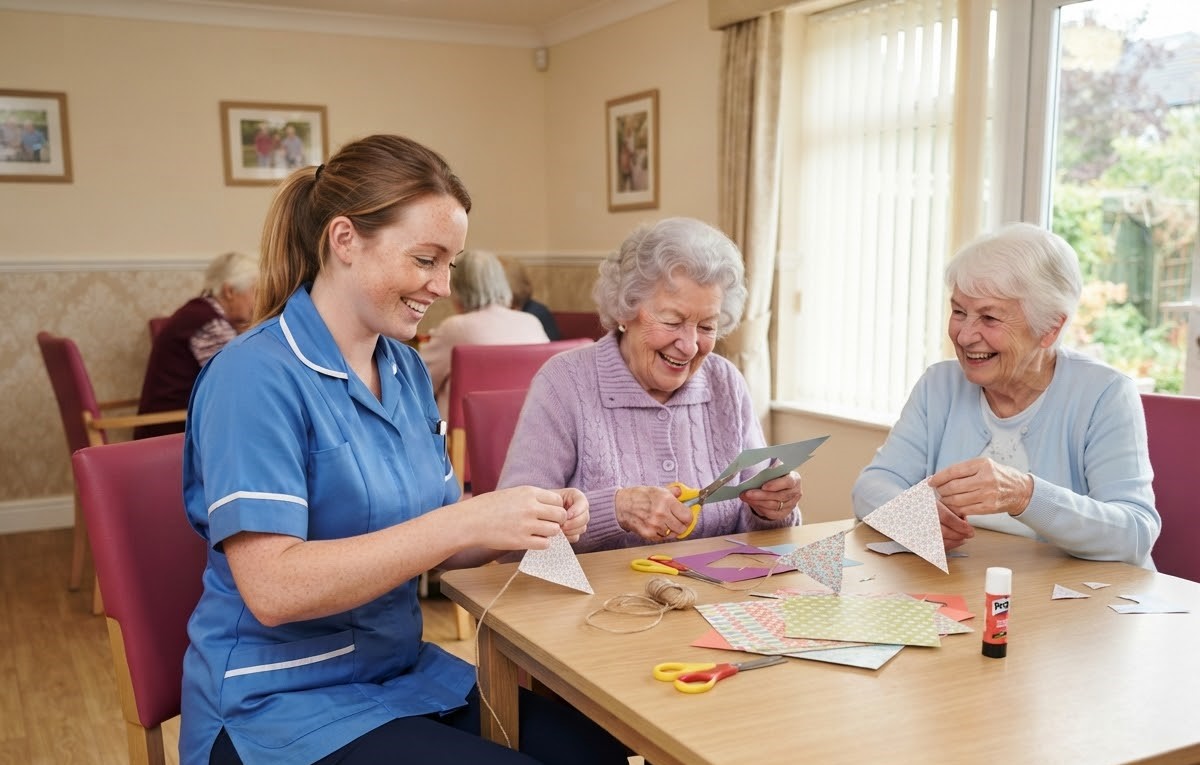
Meaningful activity. Engaging activities reduce agitation. Someone who loved gardening benefits from gardening activity. Someone who loved music benefits from music. Engagement reduces problem behaviours.
Gentle communication. Speaking calmly, using simple language, giving time for response—these communication approaches reduce fear and agitation.
Validation rather than correction. If someone believes it’s 1985, arguing “it’s 2024” creates agitation. Instead, validating their feelings (“you seem worried”) and redirecting (“let’s have tea”) works better.
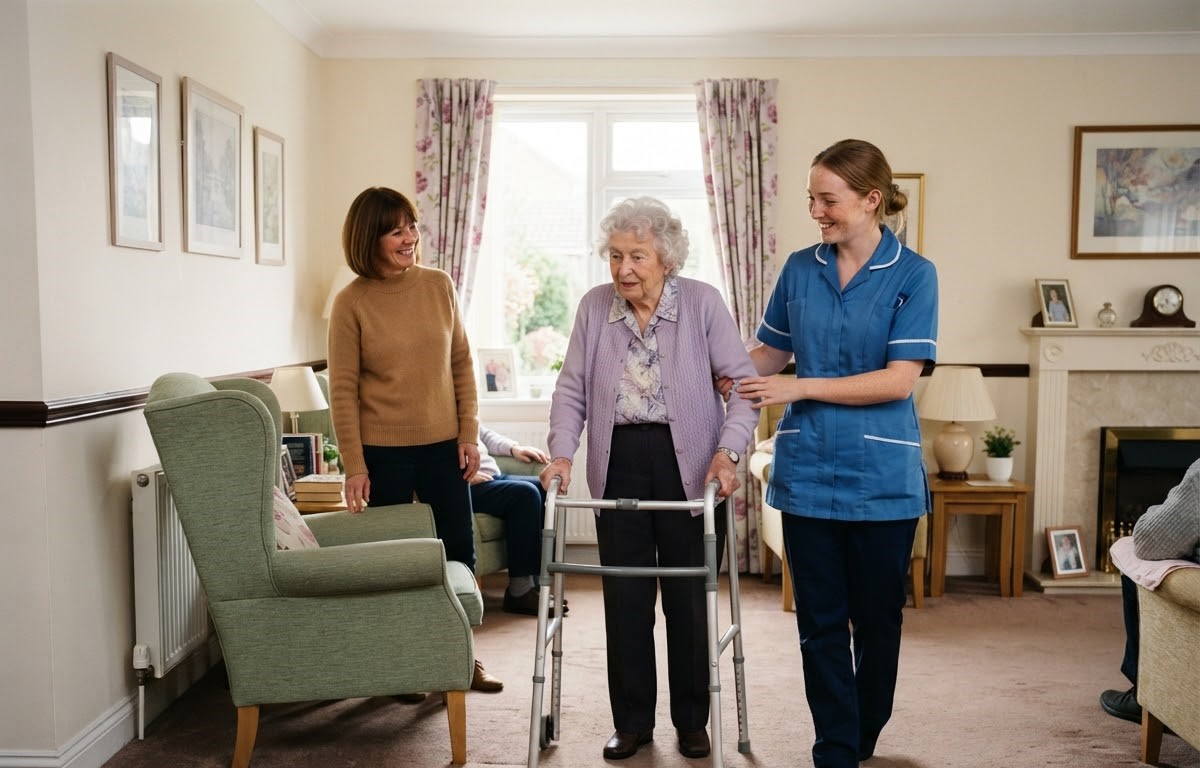
Person-centred care. Understanding the person beneath the dementia enables care responsive to their needs and preferences. Our person-centred care approach means behaviours are understood individually rather than managed generically.
Adequate staffing. Rushed staff manage behaviours reactively. Well-staffed care homes with time enable proactive management through relationship and understanding.
Regular monitoring. Tracking behaviour patterns identifies triggers and enables prevention. Pain, constipation or infection often underlie behavioural changes and require medical attention.
At JT Care Homes, our small home model enables deep understanding of each resident. Consistent staff build relationships enabling effective behaviour management through understanding rather than medication or restraint.
What Families Can Do
Families support behaviour management through several approaches.
Share history. Tell staff about your loved one’s life: careers, interests, family, favourite activities, coping strategies. Understanding the person helps staff respond compassionately.
Identify triggers. Notice what triggers behaviours. Does showering trigger aggression? Does late afternoon cause sundowning? Does particular staff member cause calming? Share observations with staff.
Support calm approaches. When you witness behaviour, respond calmly. Your calm response models appropriate response. Validate feelings without arguing about reality.
Participate in activities. Attending activities with your loved one provides engagement and connection. Shared activity often prevents problem behaviours.
Maintain routines. Familiar routines provide security. During visits, maintain patterns your loved one knows.
Avoid triggers during visits. If showering triggers aggression, don’t visit at shower time. If particular subjects trigger upset, avoid those topics.
Trust staff. Well-trained dementia care staff often manage behaviours more effectively than family can. Trust their expertise while providing family perspective.
Medication Considerations
While behaviour management prioritises non-pharmaceutical approaches, sometimes medications help.
Some behaviours respond to medication addressing underlying depression, anxiety or pain. But antipsychotic medications for dementia behaviour carry risks and should be used sparingly, only when other approaches have failed.
Quality care homes use medications as last resort, not first response. Regular medication reviews ensure medications are necessary and beneficial.
Managing Your Own Emotions
Dementia behaviours challenge families emotionally.
Recognise it’s not personal. Accusations or aggression aren’t because they’re angry at you. They’re frightened or confused. Depersonalising helps you respond compassionately.
Accept limitations. You can’t fix dementia. You can support, validate and love. Accept what you can’t change.
Seek support. Dementia caregiver support groups provide community with others understanding your experience. Professional support helps process difficult emotions.
Celebrate moments. Moments of recognition or connection are precious. Celebrate these rather than focusing on difficult behaviours.
Self-care. Your wellbeing enables you to support your loved one. Prioritise self-care.
Frequently Asked Questions
Are dementia behaviours always preventable?
No. Some behaviours occur despite best prevention. The goal is reducing frequency and severity through understanding and management, not eliminating entirely.
Should dementia residents be restrained?
No. Restraints don’t prevent behaviours and increase other harms. Quality care uses understanding, environmental modification and engagement instead.
Does medication control dementia behaviours?
Sometimes. Medication addressing pain, depression or anxiety helps. But behaviour-specific medications carry risks and should be last resort after other approaches.
What if my loved one doesn’t recognise me?
Heartbreaking but common in advanced dementia. Focus on connection in moment rather than memory. Familiar voice, gentle touch often provide comfort even without recognition.
How do I know if behaviours are managed well?
Behaviours decrease over time as person adjusts. When managed well, aggression reduces, anxiety decreases, and resident seems calmer. When managed poorly, behaviours escalate.
Should I tell my loved one the truth if they ask about past events?
Depends. If truth causes agitation and doesn’t matter (does it matter they don’t know what year it is?), gentle redirection works. If it’s important, simple truthful answer calmly stated helps.
Understanding Changes Compassion
Dementia behaviours aren’t misbehaviour requiring punishment. They’re symptoms reflecting fear, confusion, pain or unmet needs. Understanding this distinction transforms response from reactive management to compassionate support.
Quality care homes approach behaviours with this understanding. They see the person beneath the dementia. They respond with compassion. They manage with skill and gentleness.
Your loved one with dementia deserves care responding to their internal experience with compassion and understanding.
Ready to discuss dementia care and behaviour management at JT Care Homes? Contact us today. Our approach to dementia care prioritises understanding, compassion and person-centred support.